Abilene Paradox
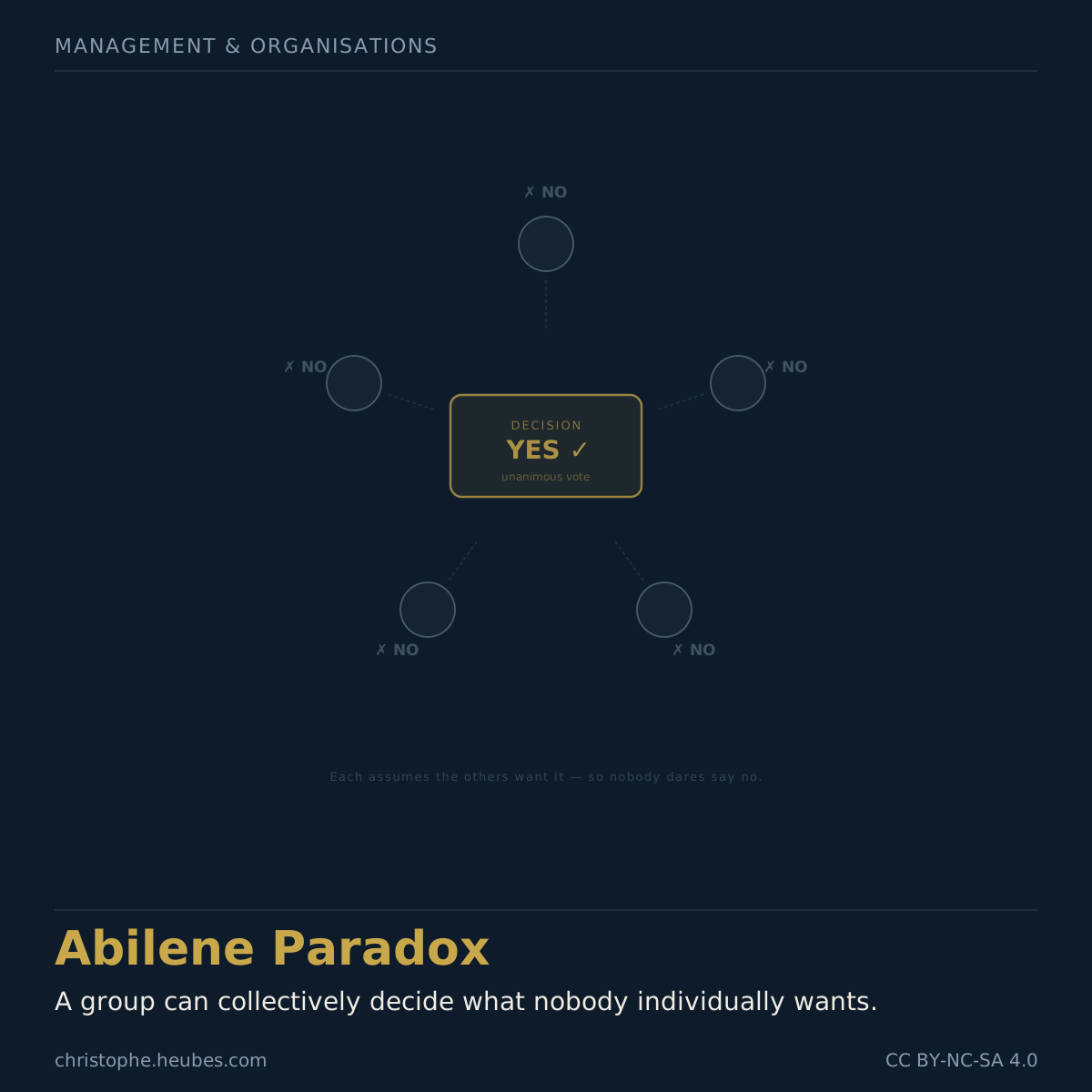
A group can collectively decide what nobody individually wants.
Definition
The Abilene Paradox takes its name from an anecdote by Jerry Harvey: on a sweltering Texas afternoon, a family unanimously agrees to drive to Abilene, when in reality, nobody wanted to make the trip. Each person had assumed the others wanted to go and went along to be polite.
This paradox is different from groupthink: it is not about pressure to conform, but about an inability to manage disagreement. Each individual believes they are alone in objecting, and stays silent to avoid appearing difficult.
Why it matters
This phenomenon is extremely common in organizations. It explains collectively foolish decisions made by individually clear-headed people. It thrives in cultures where expressing disagreement is perceived as disloyal, negative, or disruptive.
The solution is not anonymous voting (which masks the problem), but building a culture where disagreement is explicitly valued and solicited, through practices like the “premortem” or designated devil’s advocate.
Concrete examples
Launch plan: a team unanimously approves an unrealistic plan, even though each member privately found it too ambitious.
Board decision: a board approves a costly acquisition that all its members privately considered overvalued.
Restaurant choice: friends all agree on a restaurant nobody wanted, each thinking it was the others’ choice.
Failing IT projects: projects continue despite obvious failure, because nobody dares be the first to say so.