Thought Figures
Minimalist illustrations of intellectual concepts, cognitive laws and biases.
All
Biases & Heuristics
Economics & Incentives
Engineering & Technology
Epistemology
Management & Organisations
Psychology & Behaviour
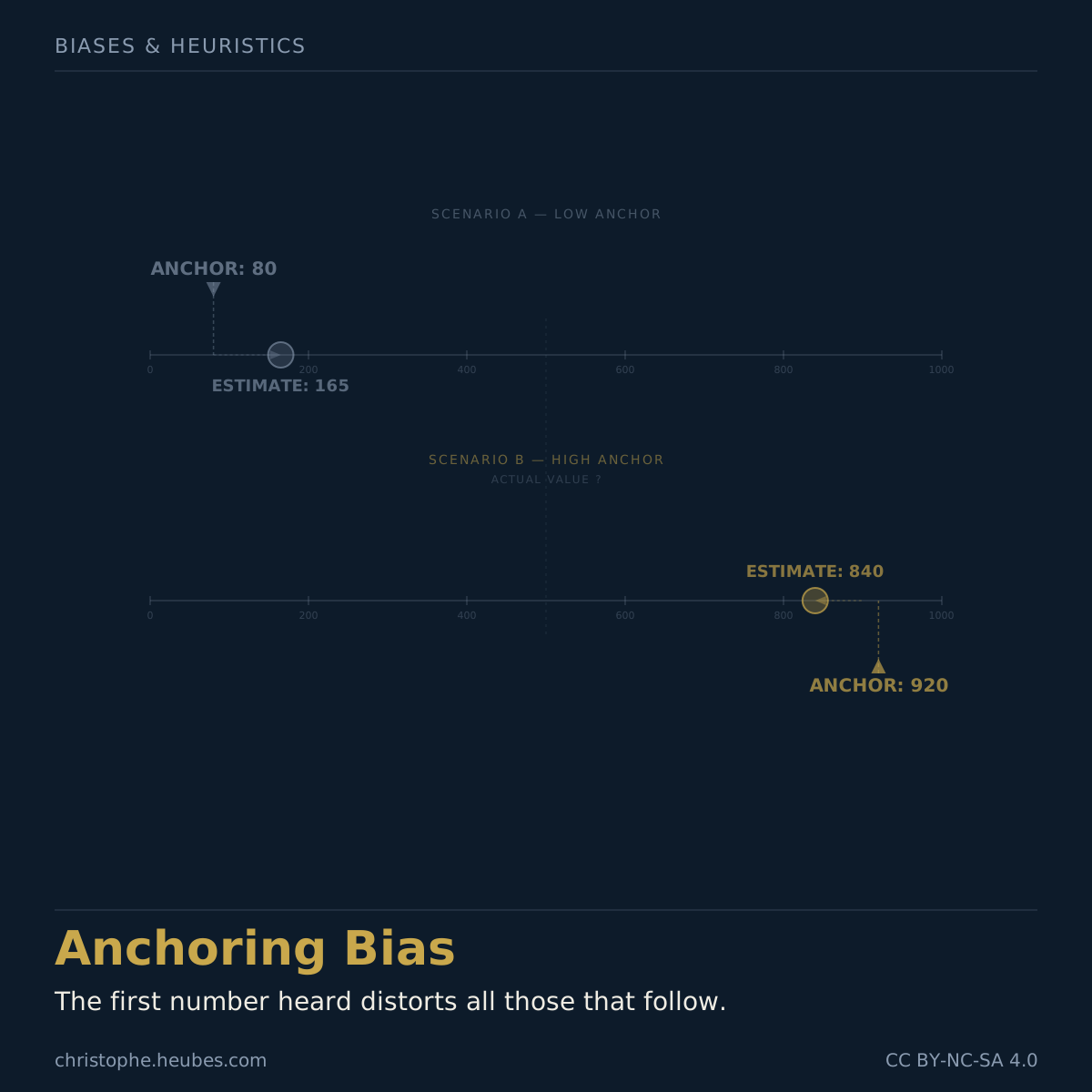
Anchoring Bias
The first number heard distorts all those that follow.
Biases & Heuristics
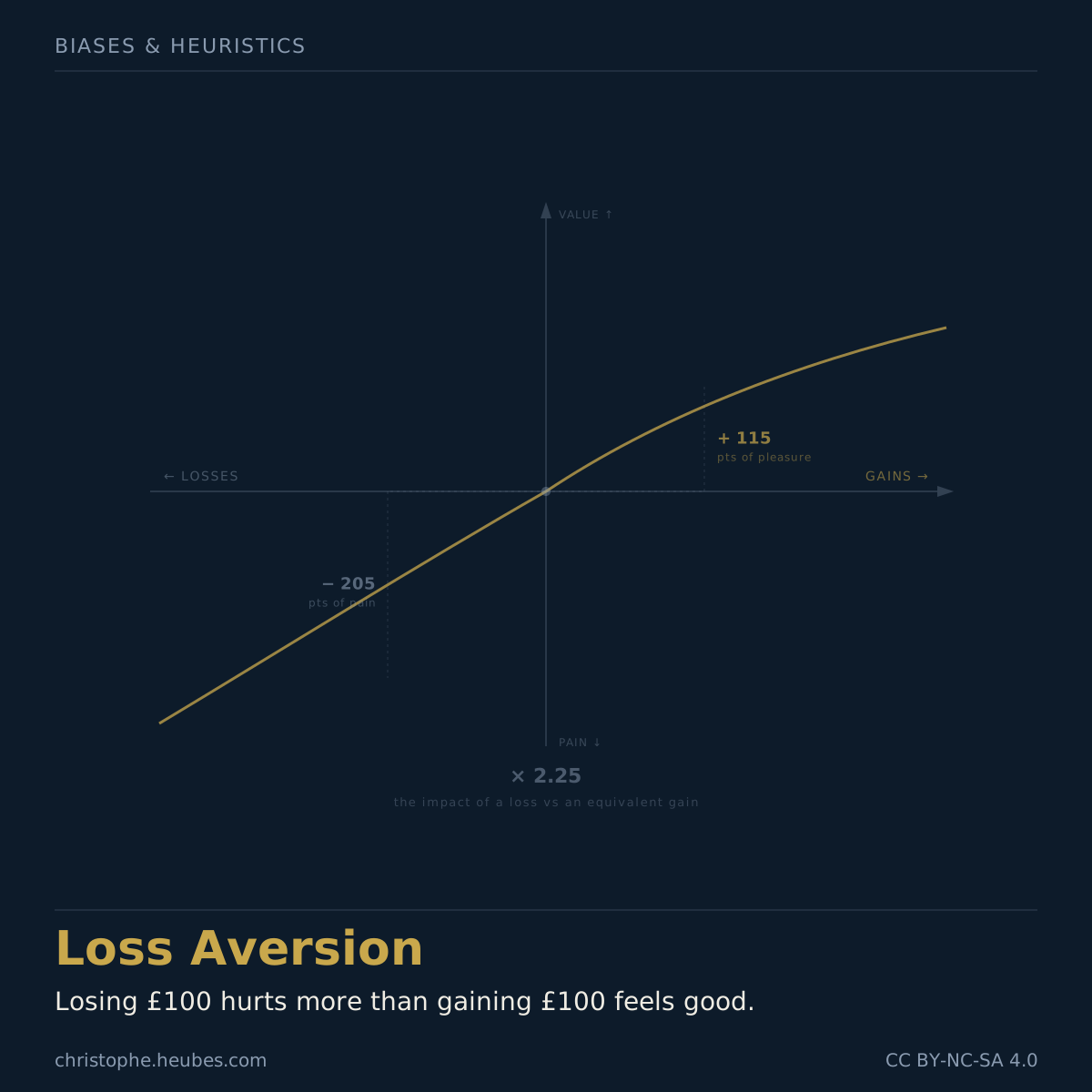
Loss Aversion
Losing £100 hurts more than gaining £100 feels good.
Biases & Heuristics
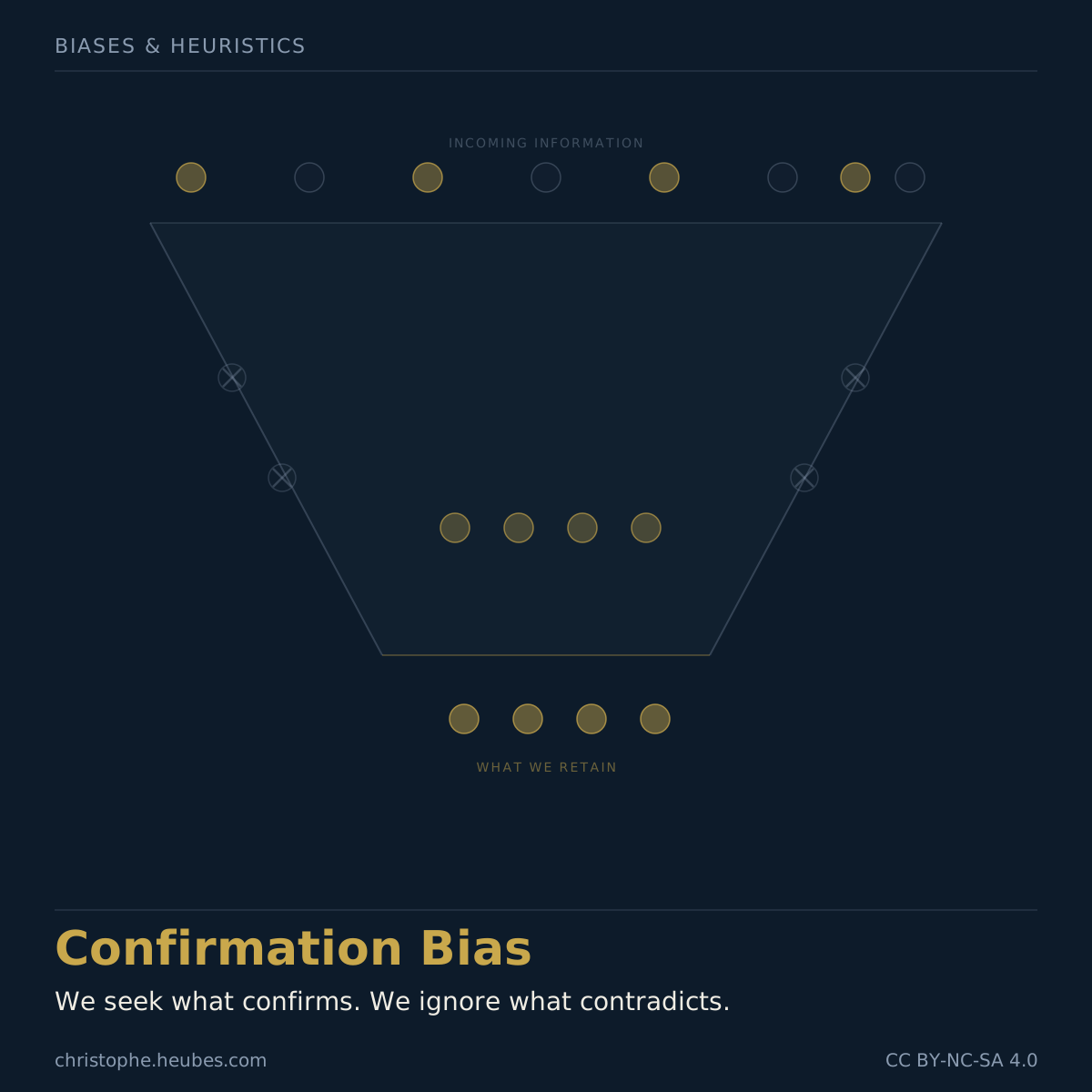
Confirmation Bias
We seek what confirms. We ignore what contradicts.
Biases & Heuristics
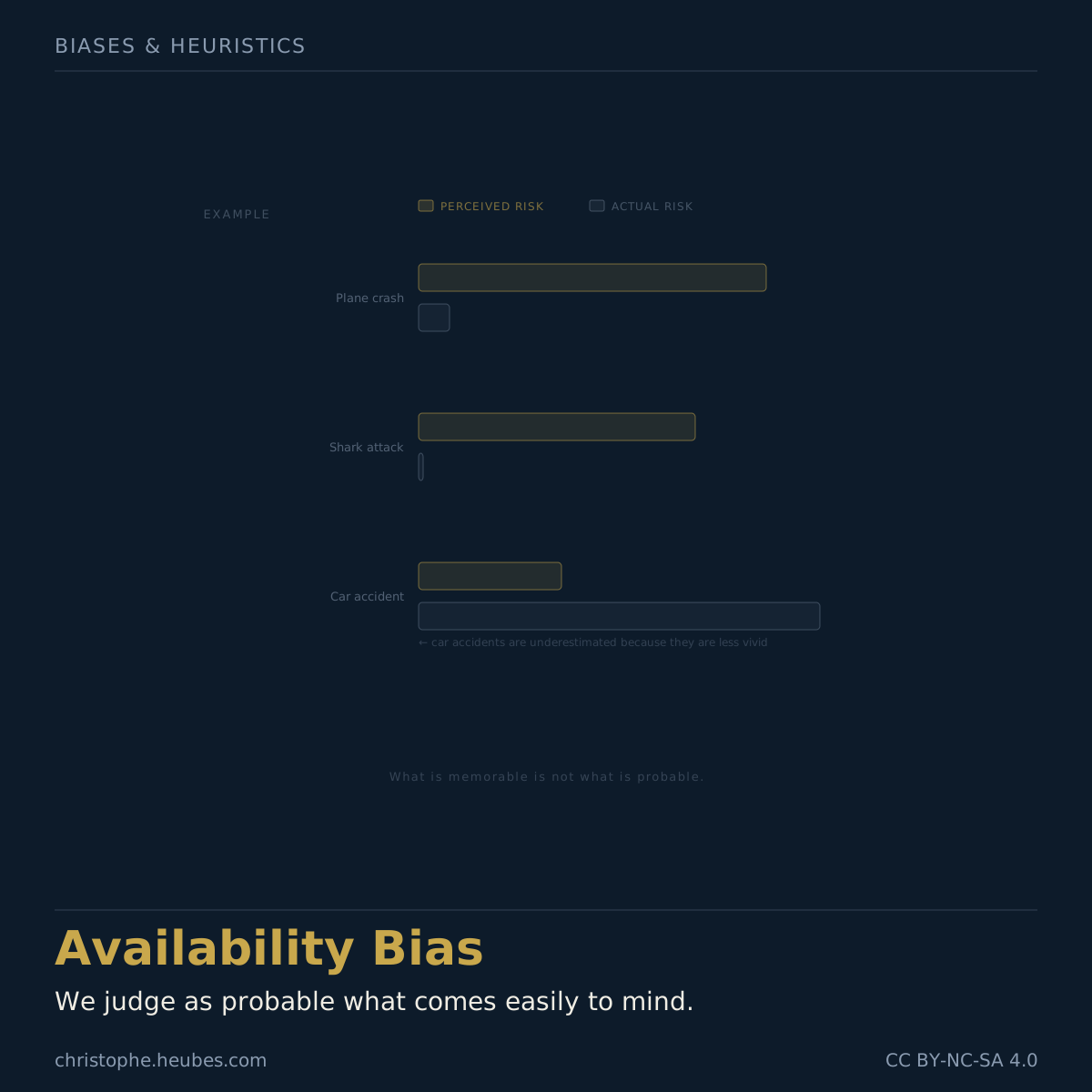
Availability Bias
We judge as probable what comes easily to mind.
Biases & Heuristics
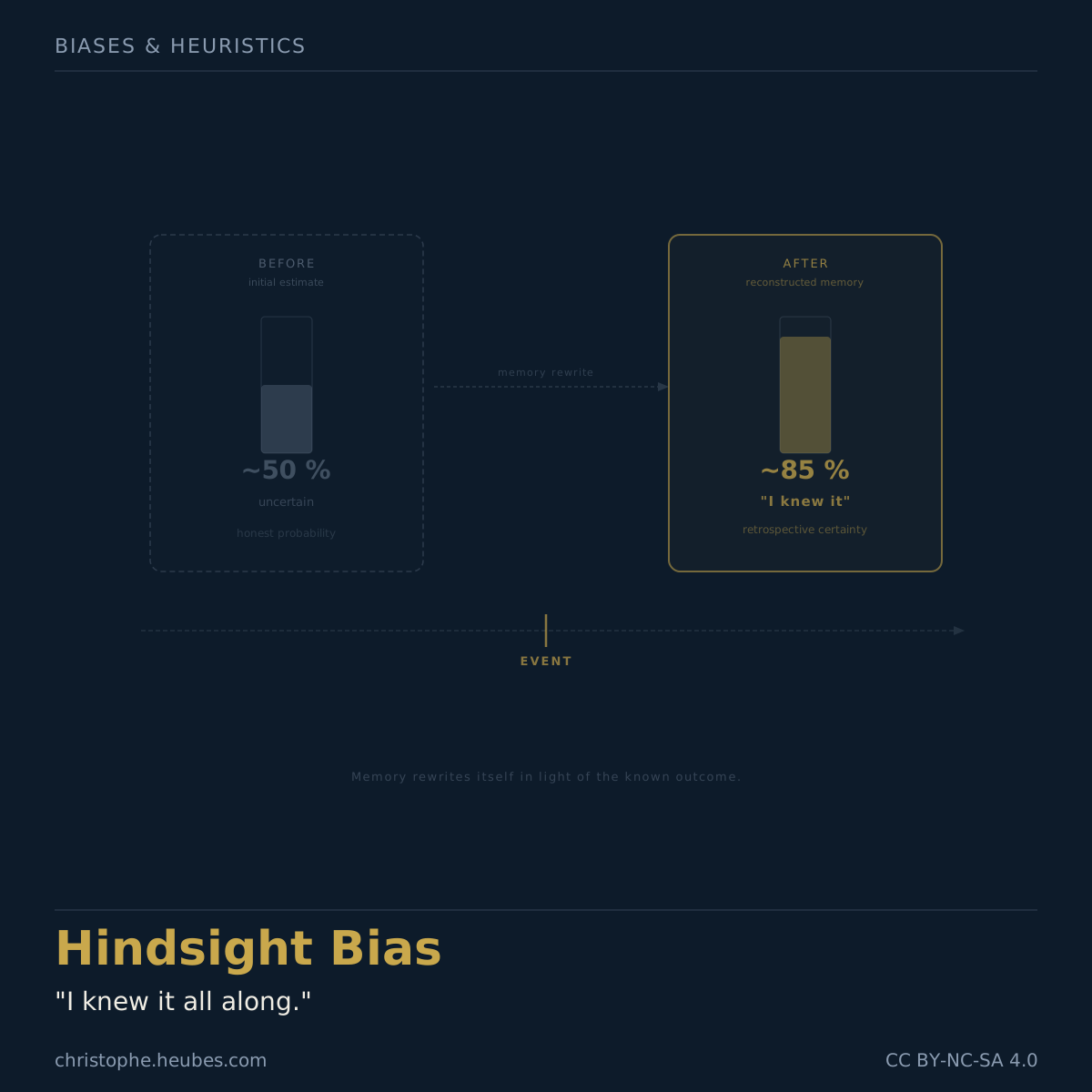
Hindsight Bias
"I knew it all along."
Biases & Heuristics
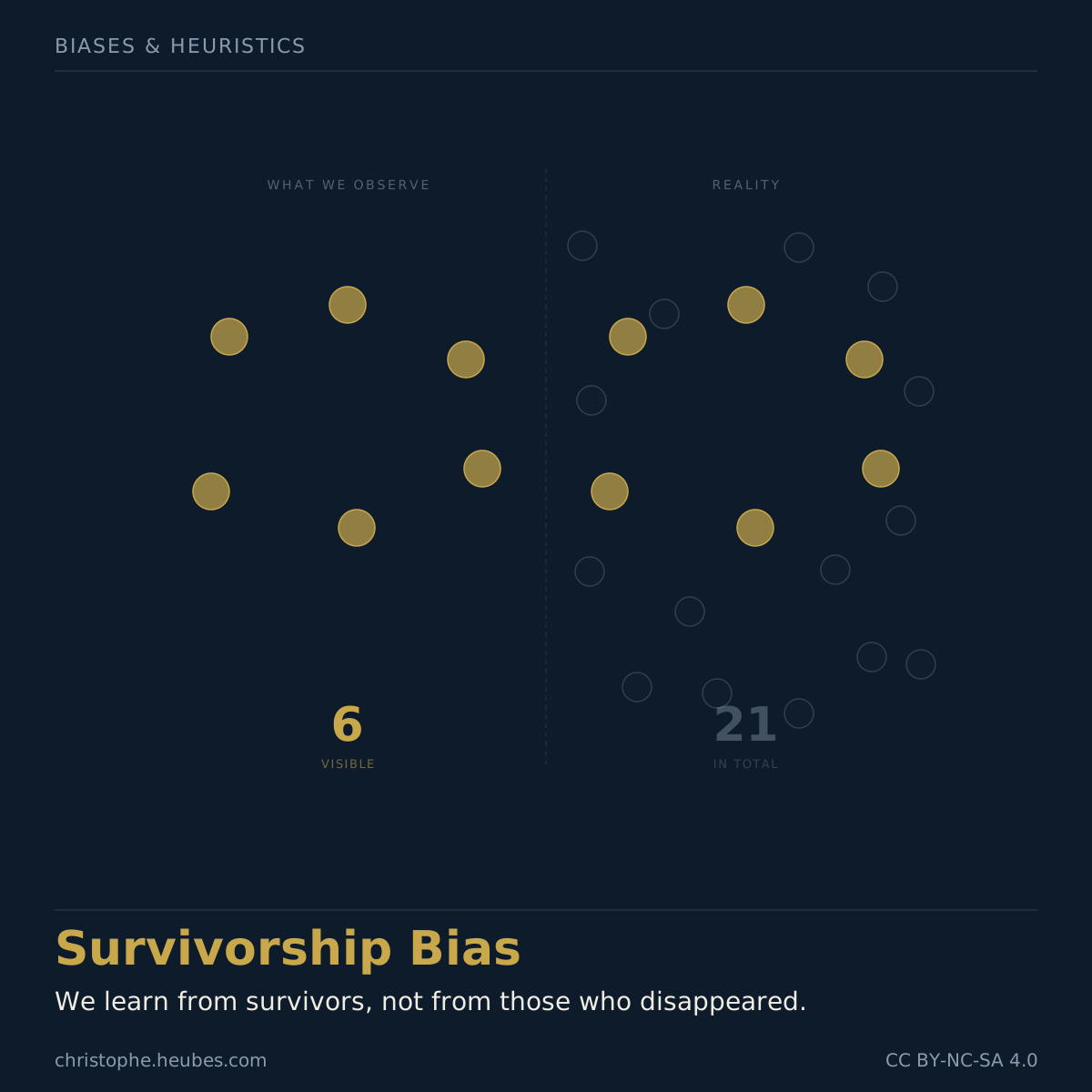
Survivorship Bias
We learn from survivors, not from those who disappeared.
Biases & Heuristics
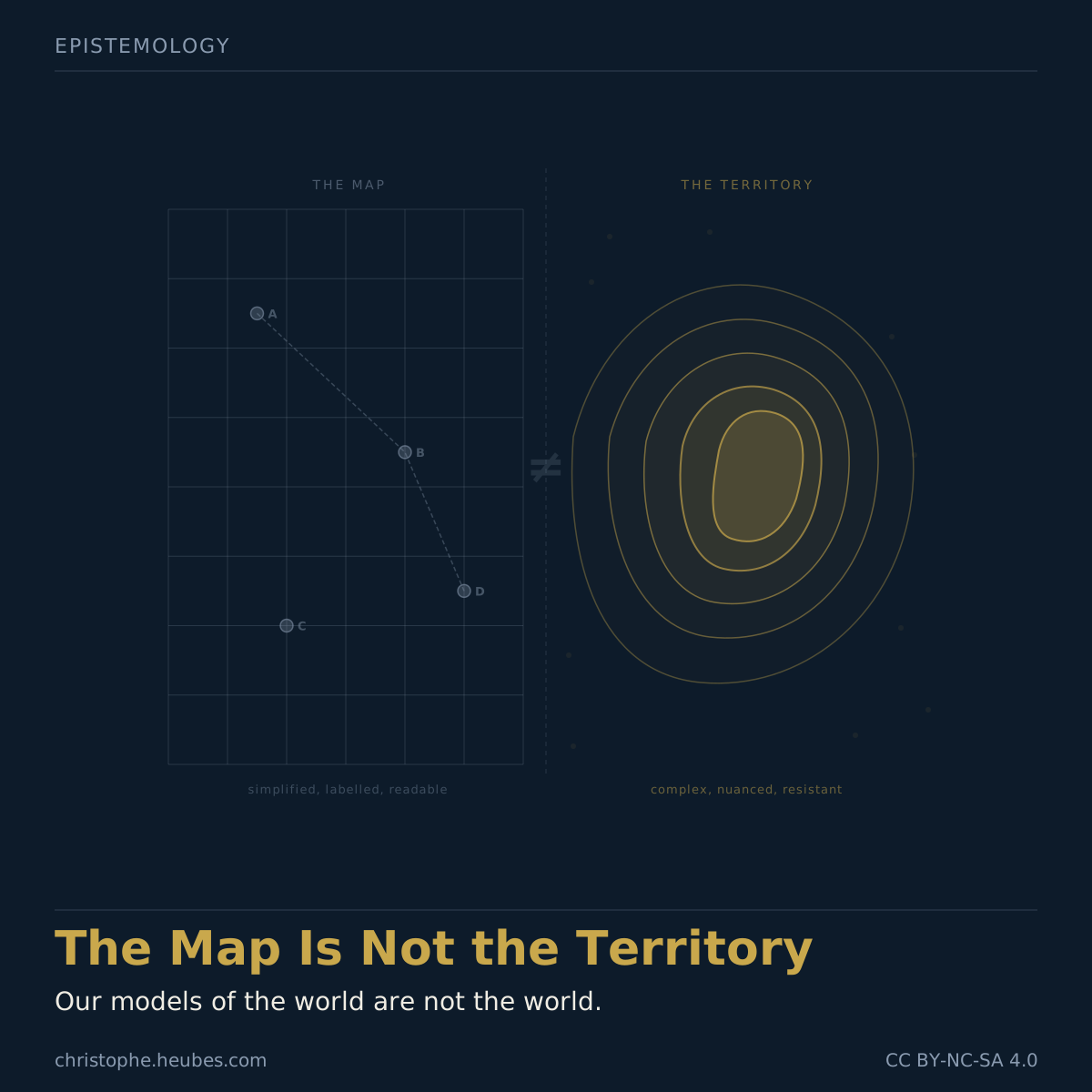
The Map Is Not the Territory
Our models of the world are not the world.
Epistemology
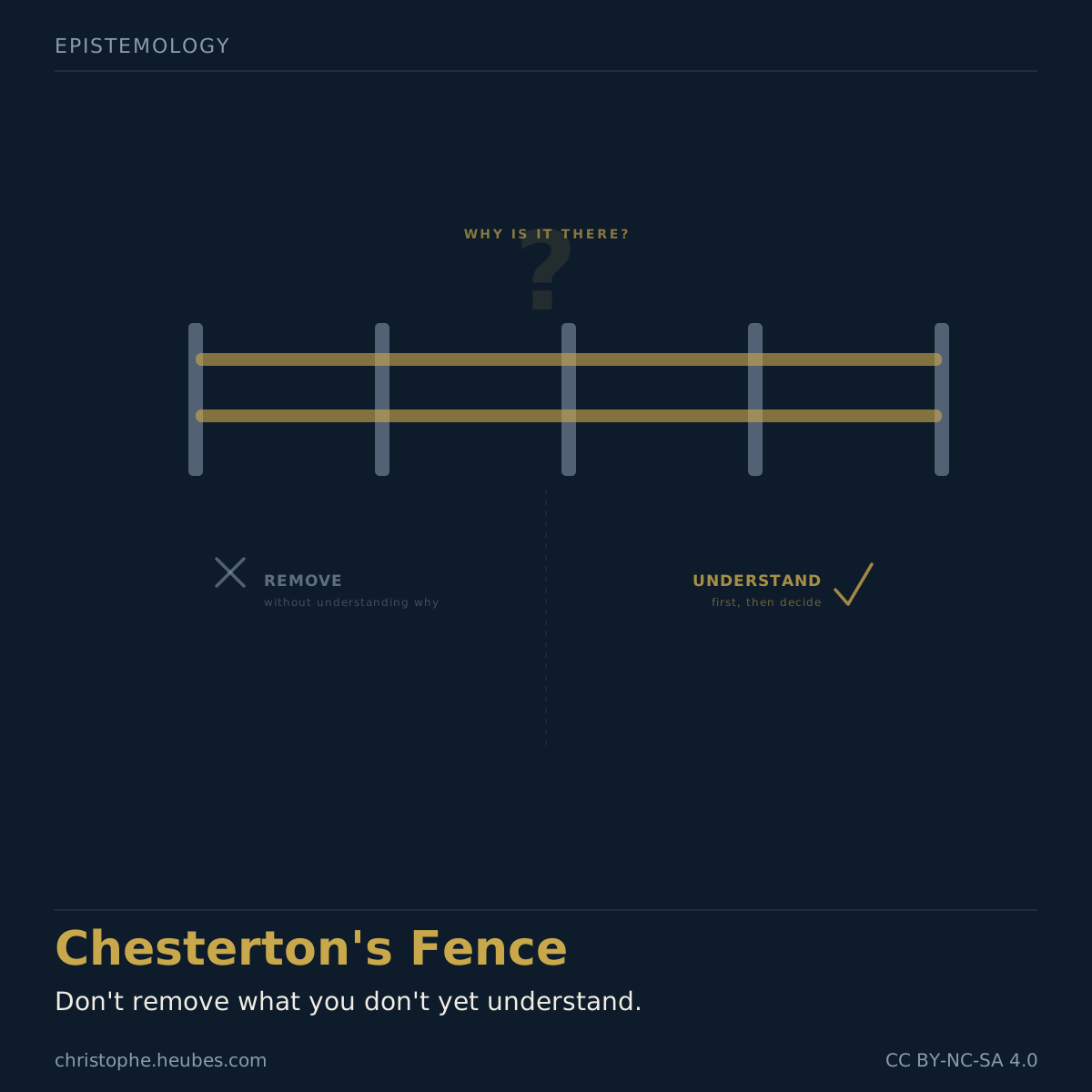
Chesterton's Fence
Don't remove what you don't yet understand.
Epistemology
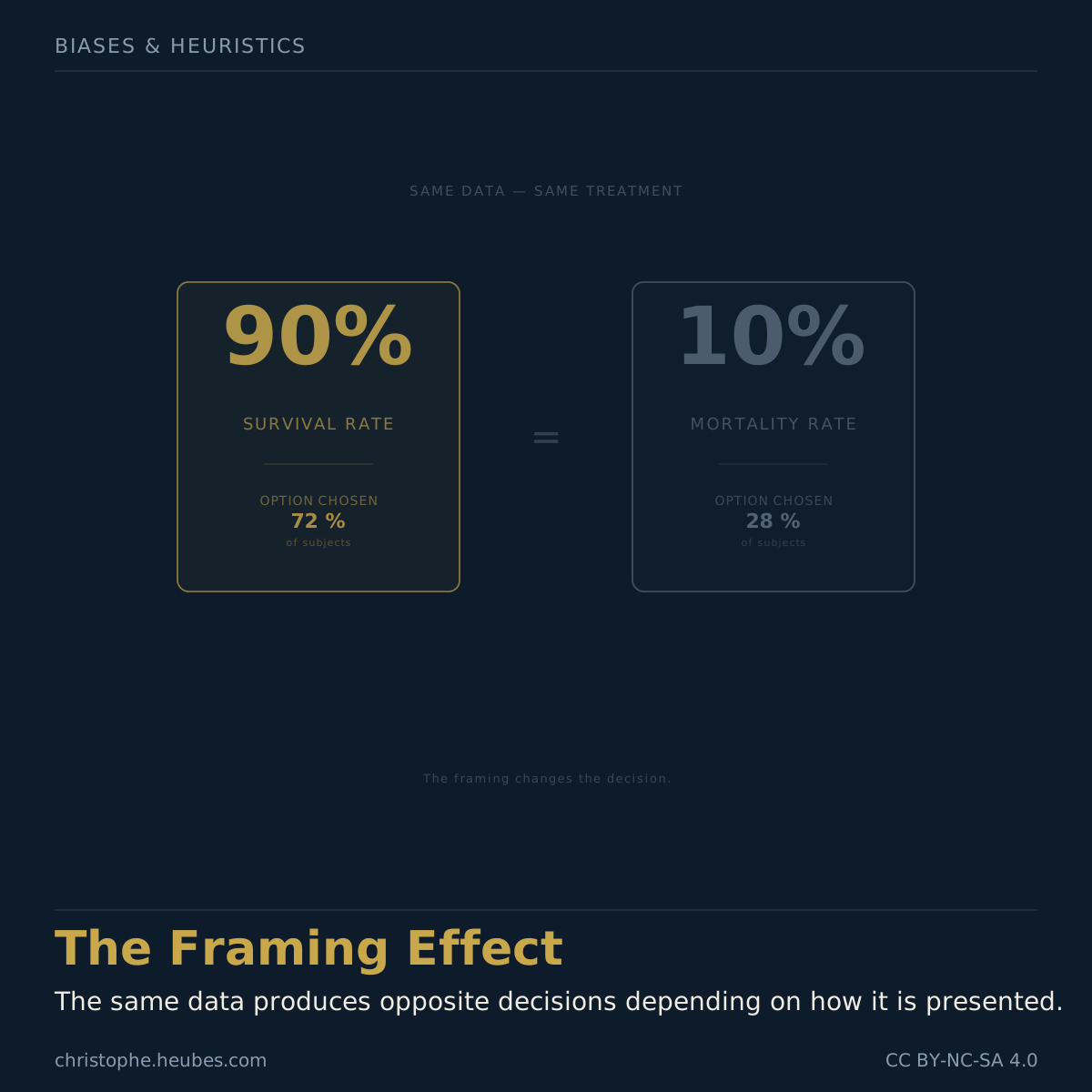
The Framing Effect
The same data produces opposite decisions depending on how it is presented.
Biases & Heuristics
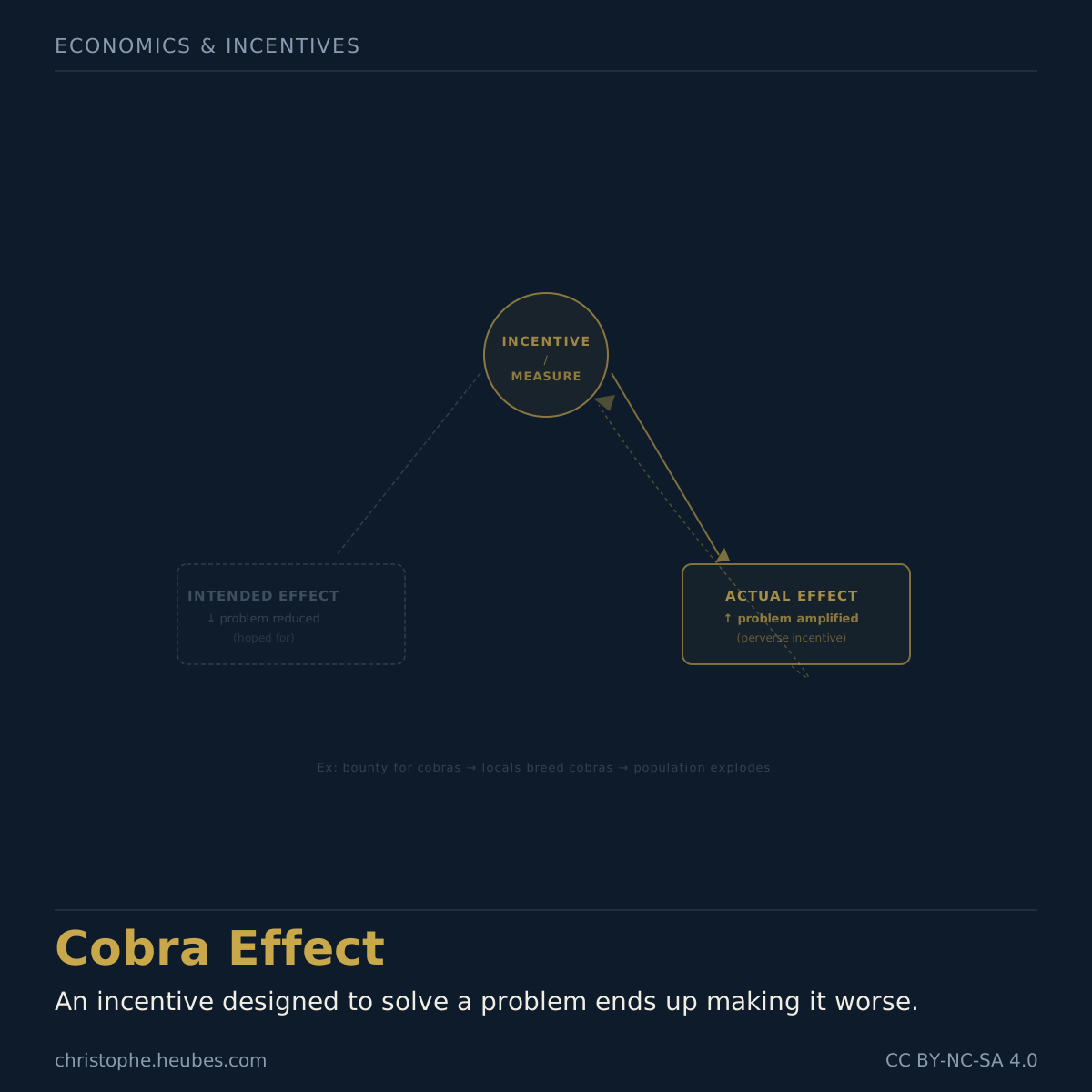
Cobra Effect
An incentive designed to solve a problem ends up making it worse.
Economics & Incentives
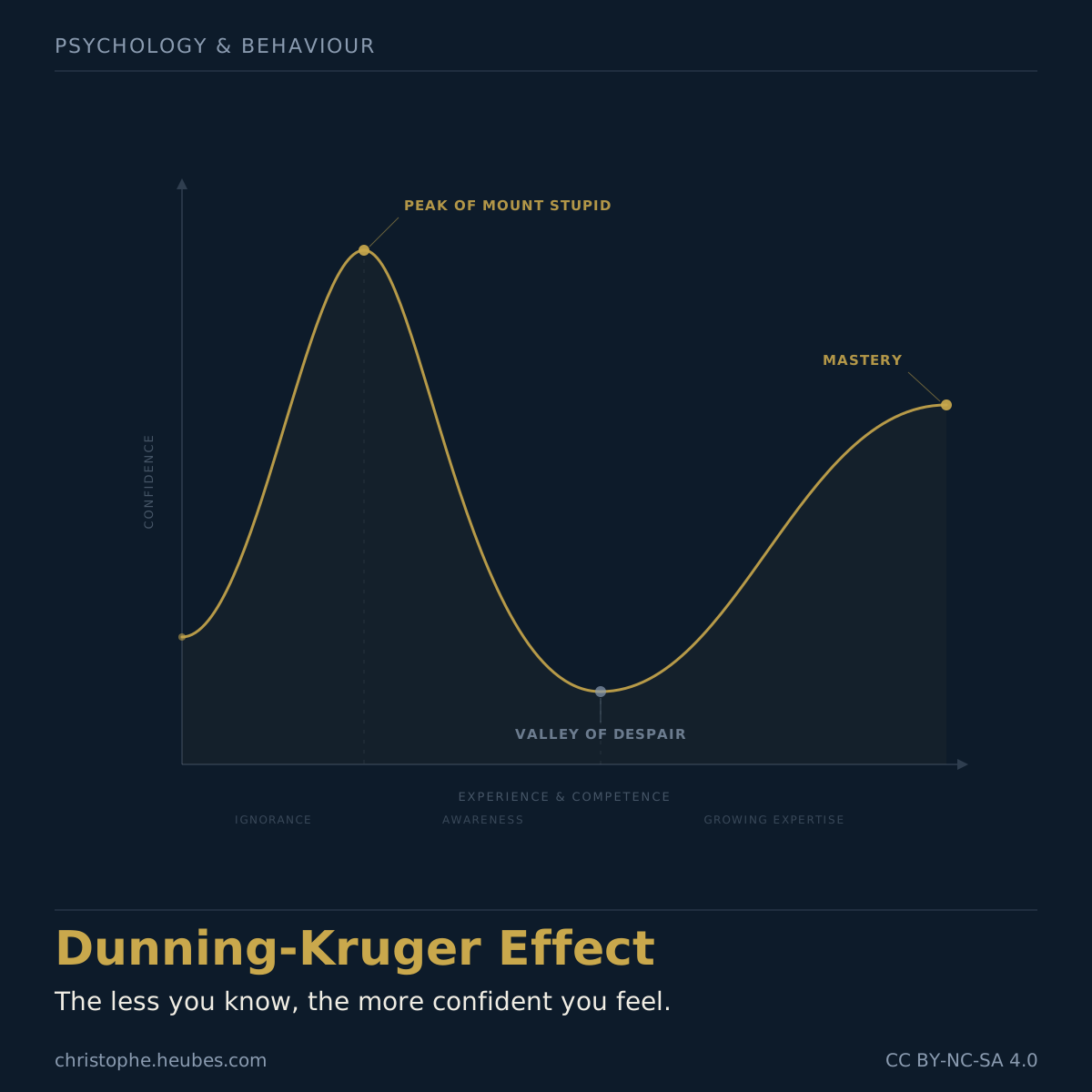
Dunning-Kruger Effect
The less you know, the more confident you feel.
Psychology & Behaviour
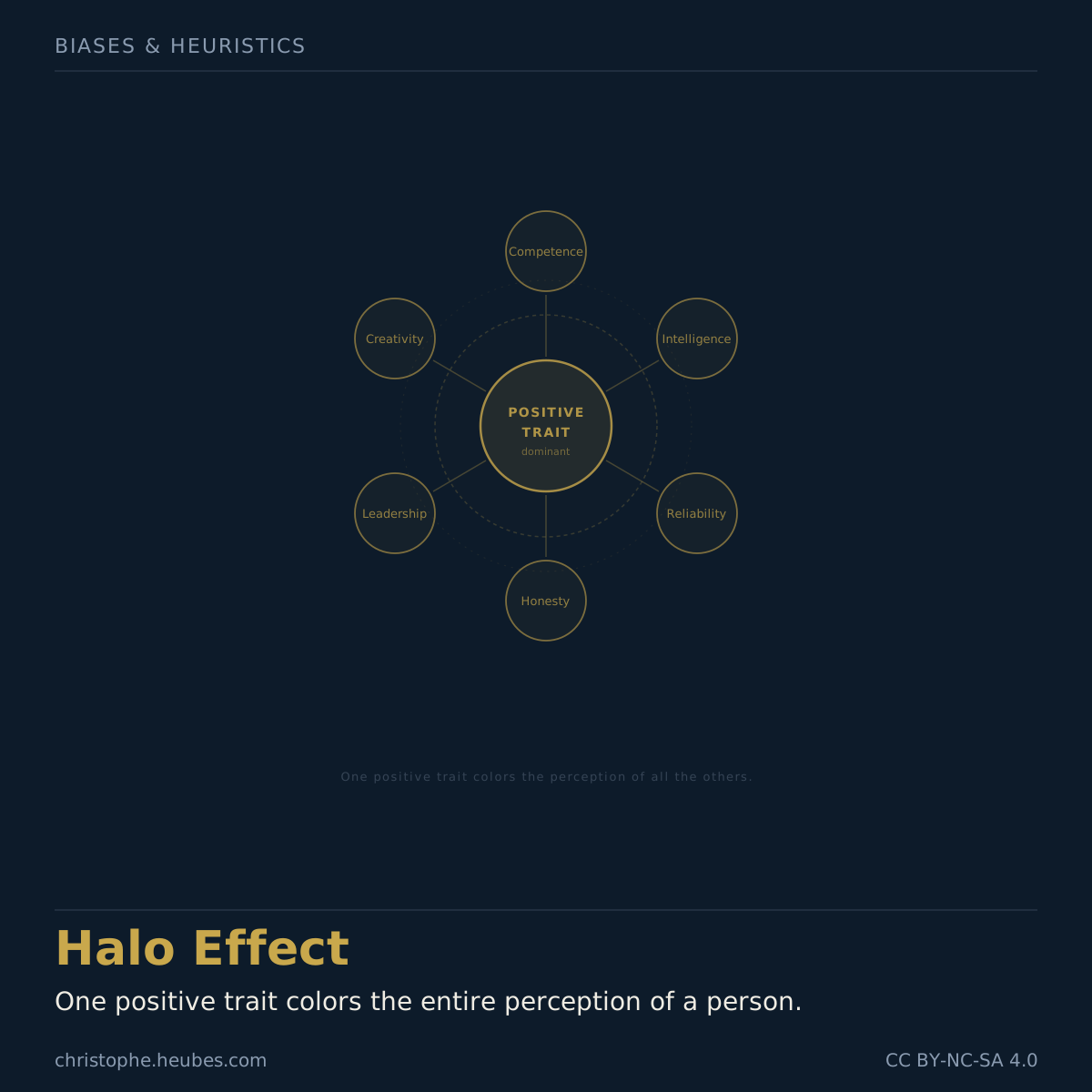
Halo Effect
One positive trait colors the entire perception of a person.
Biases & Heuristics
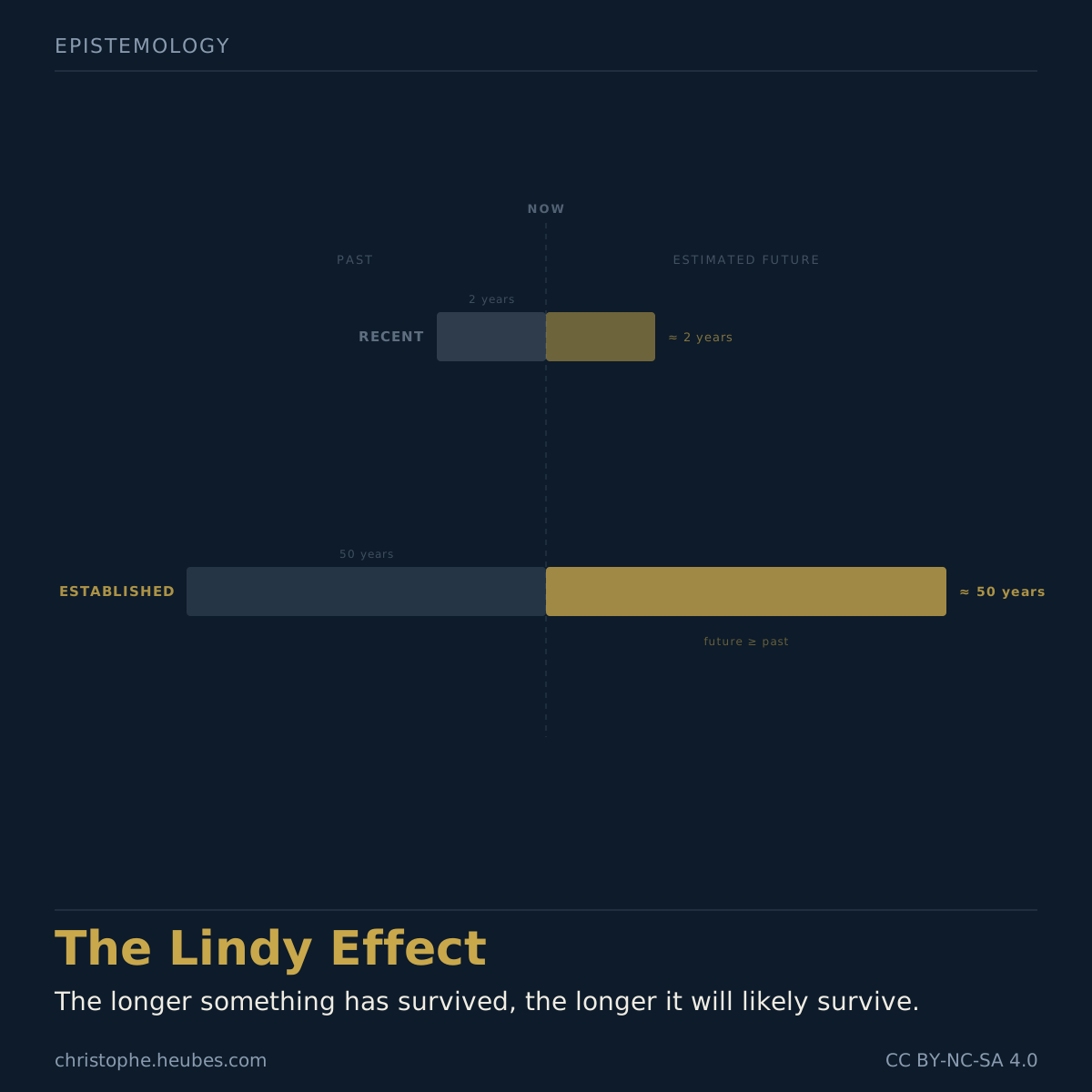
The Lindy Effect
The longer something has survived, the longer it will likely survive.
Epistemology
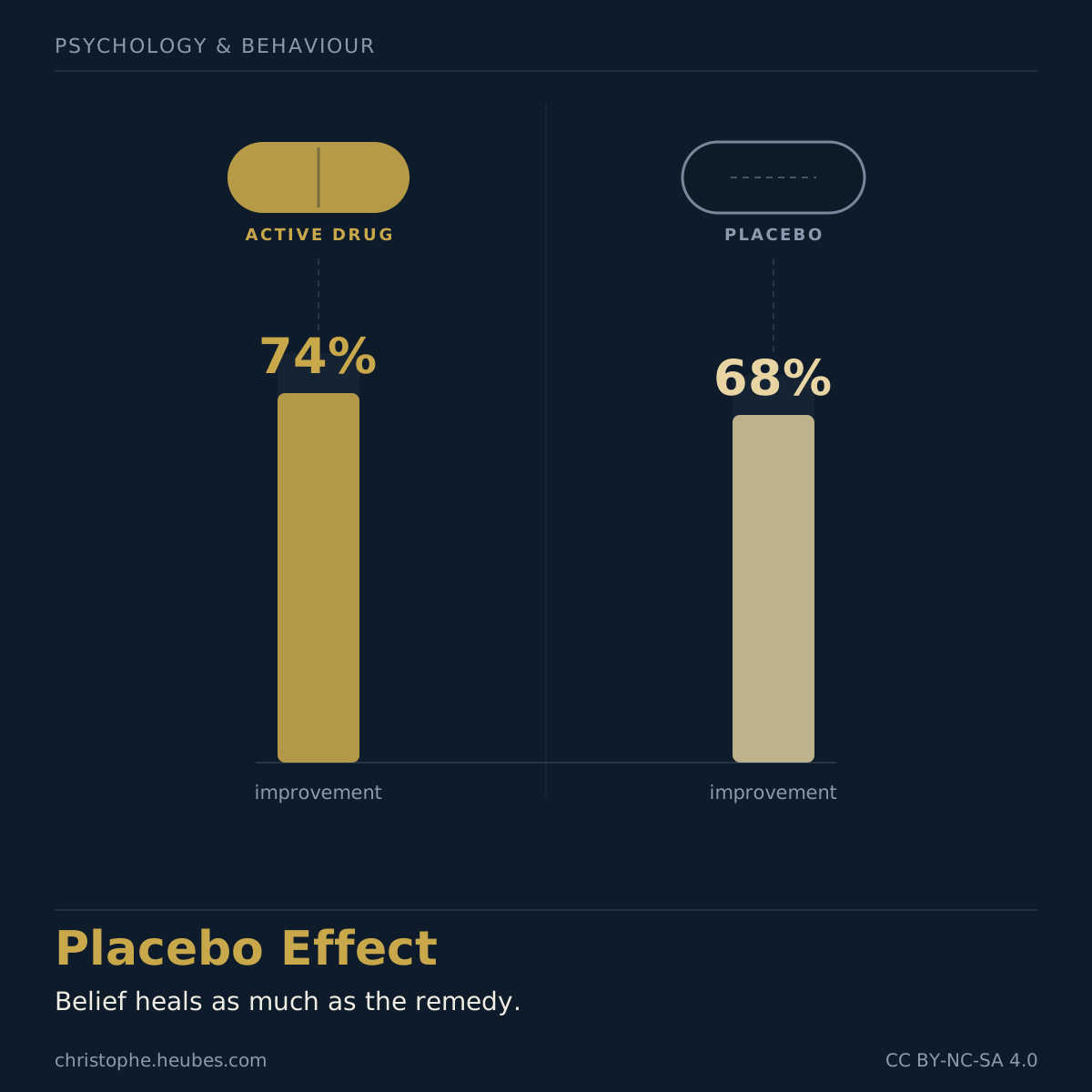
Placebo Effect
Belief heals as much as the remedy.
Psychology & Behaviour
Spotlight Effect
We overestimate the attention others pay to us.
Psychology & Behaviour
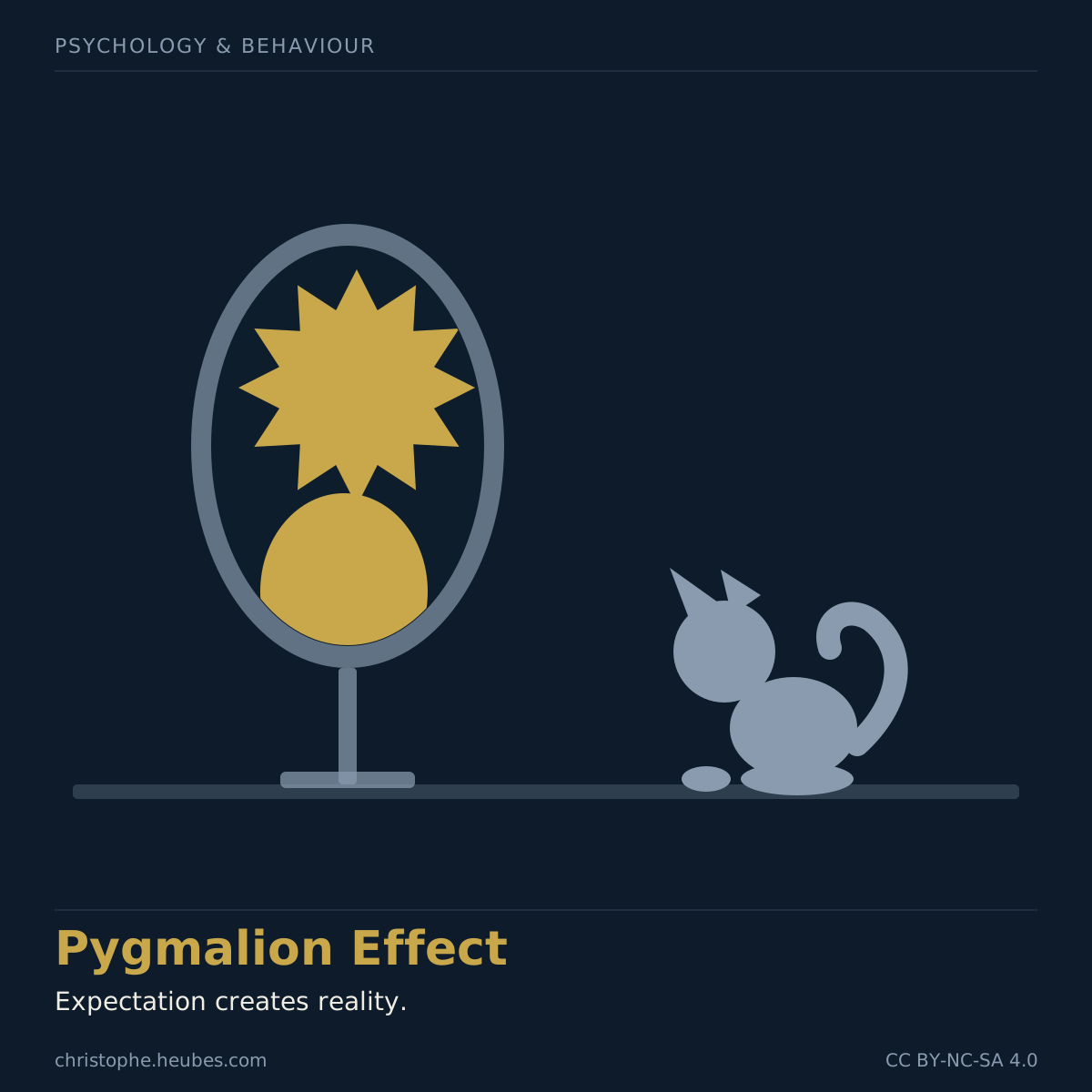
Pygmalion Effect
Expectation creates reality.
Psychology & Behaviour
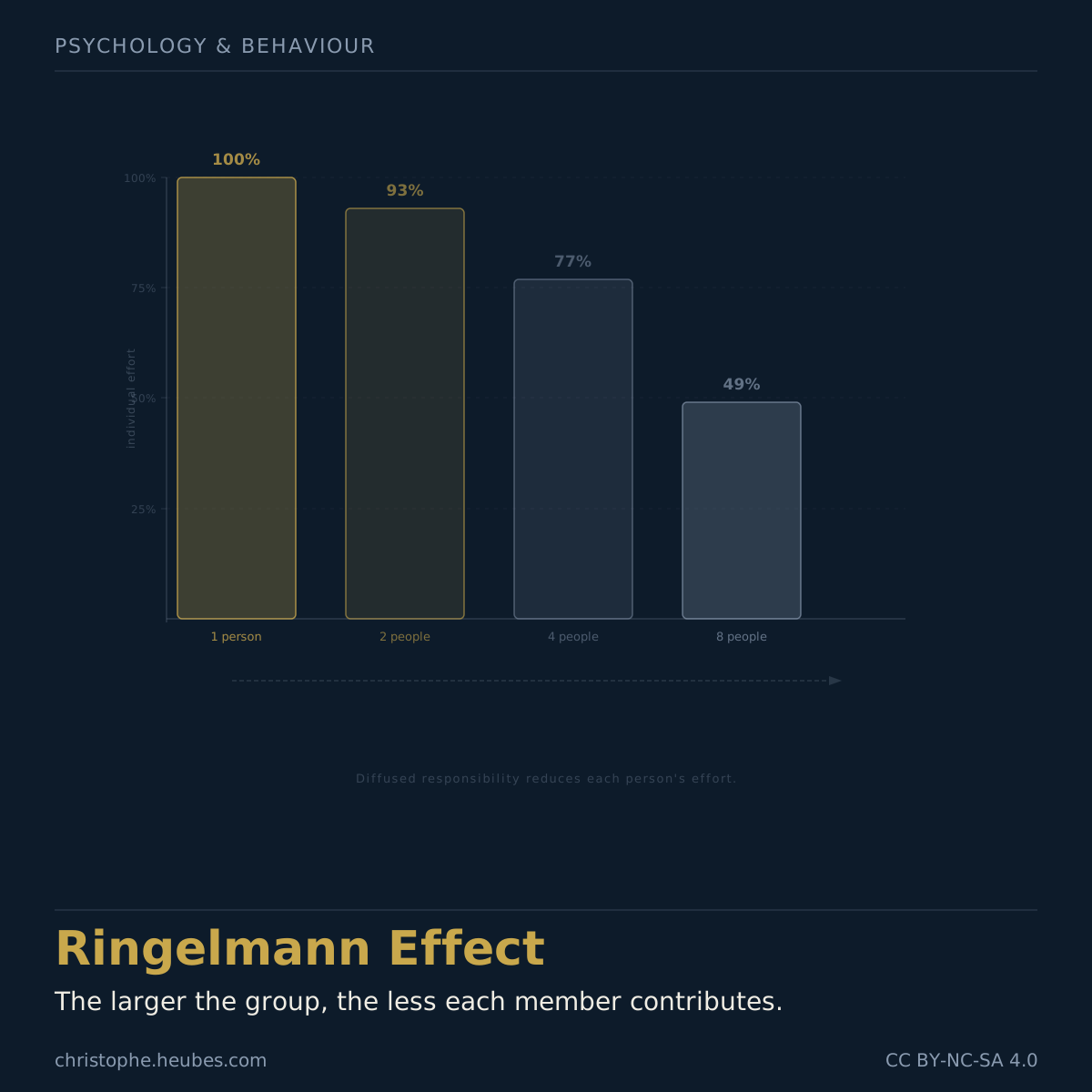
Ringelmann Effect
The larger the group, the less each member contributes.
Psychology & Behaviour
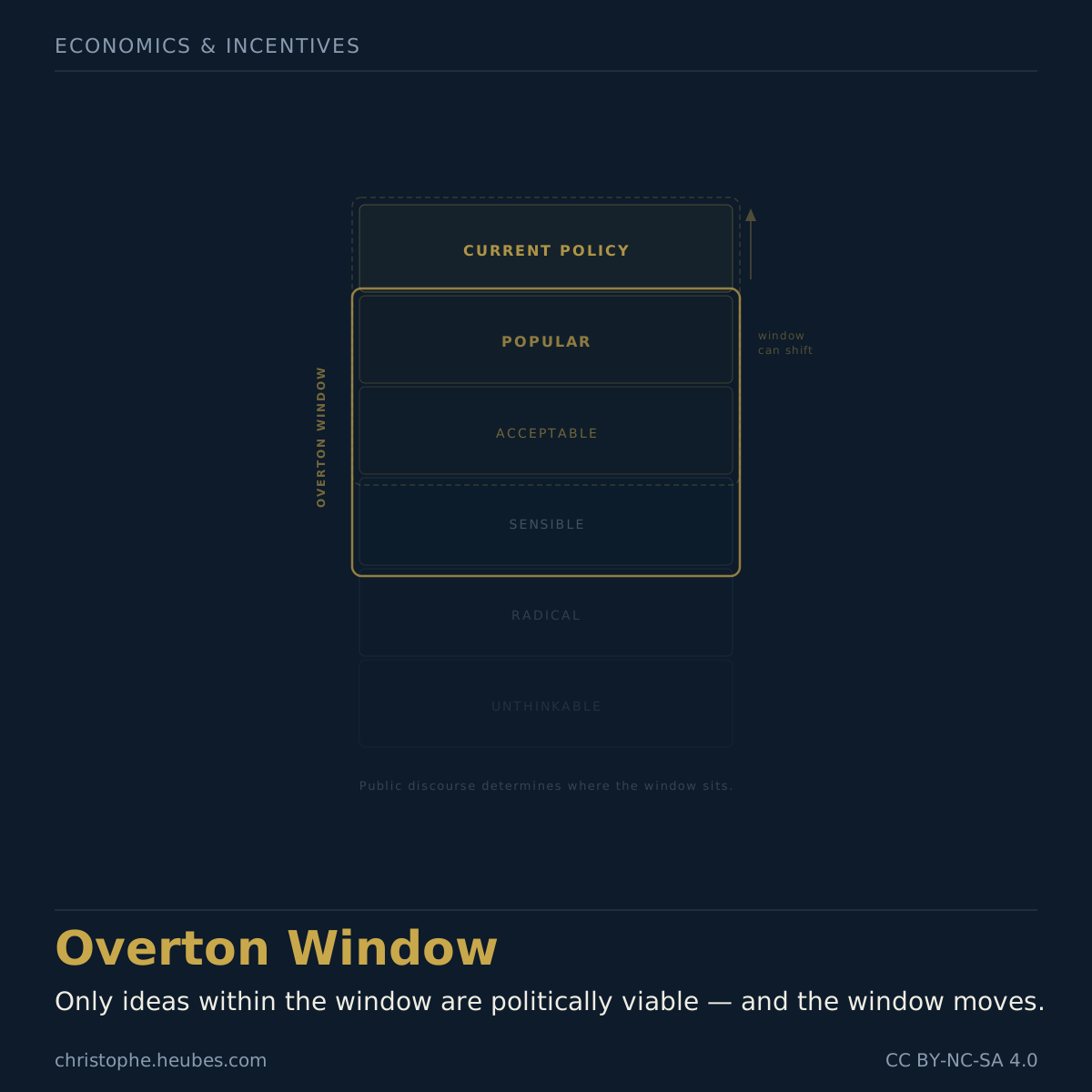
Overton Window
Only ideas within the window are politically viable, and the window moves.
Economics & Incentives
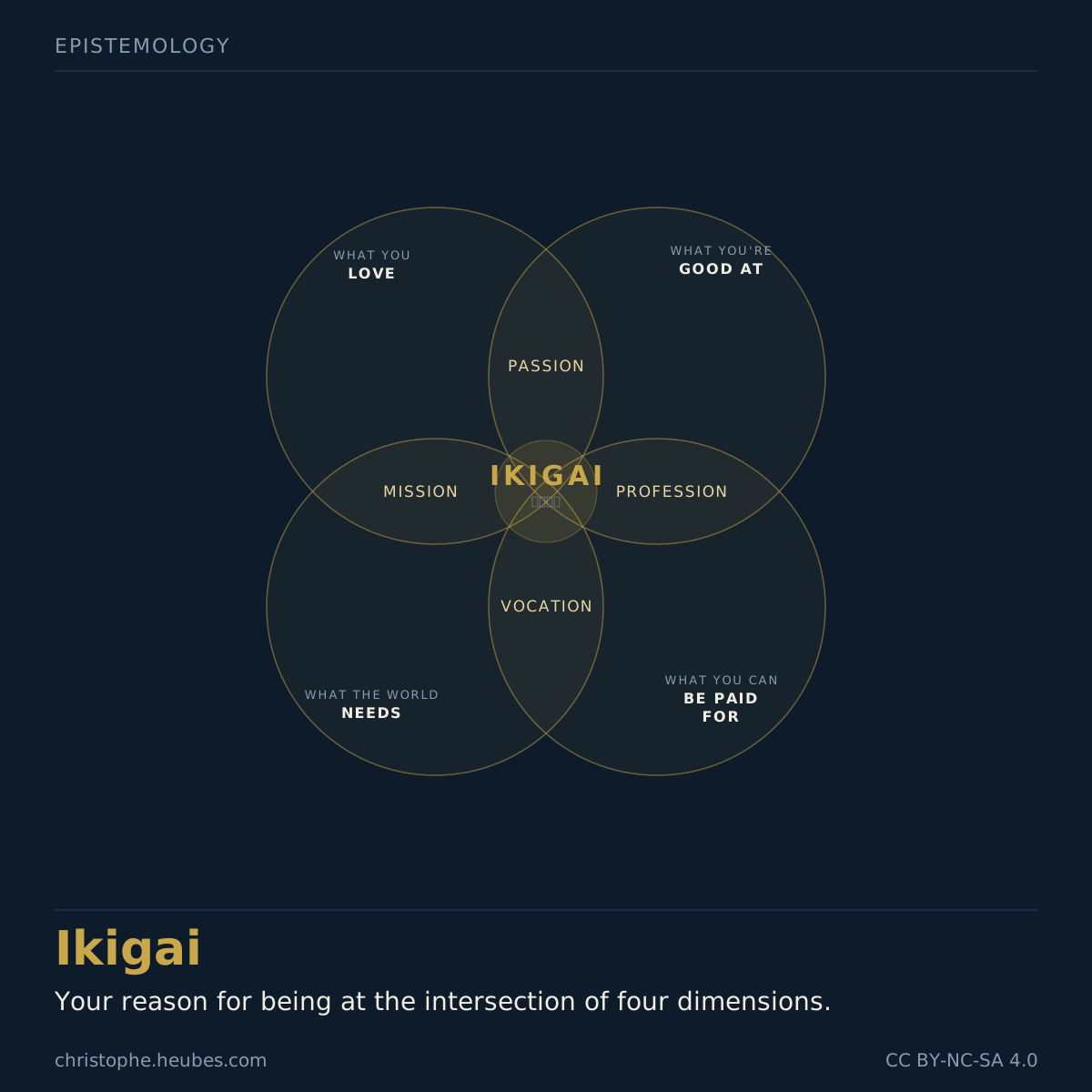
Ikigai
Your reason for being at the intersection of four dimensions.
Epistemology
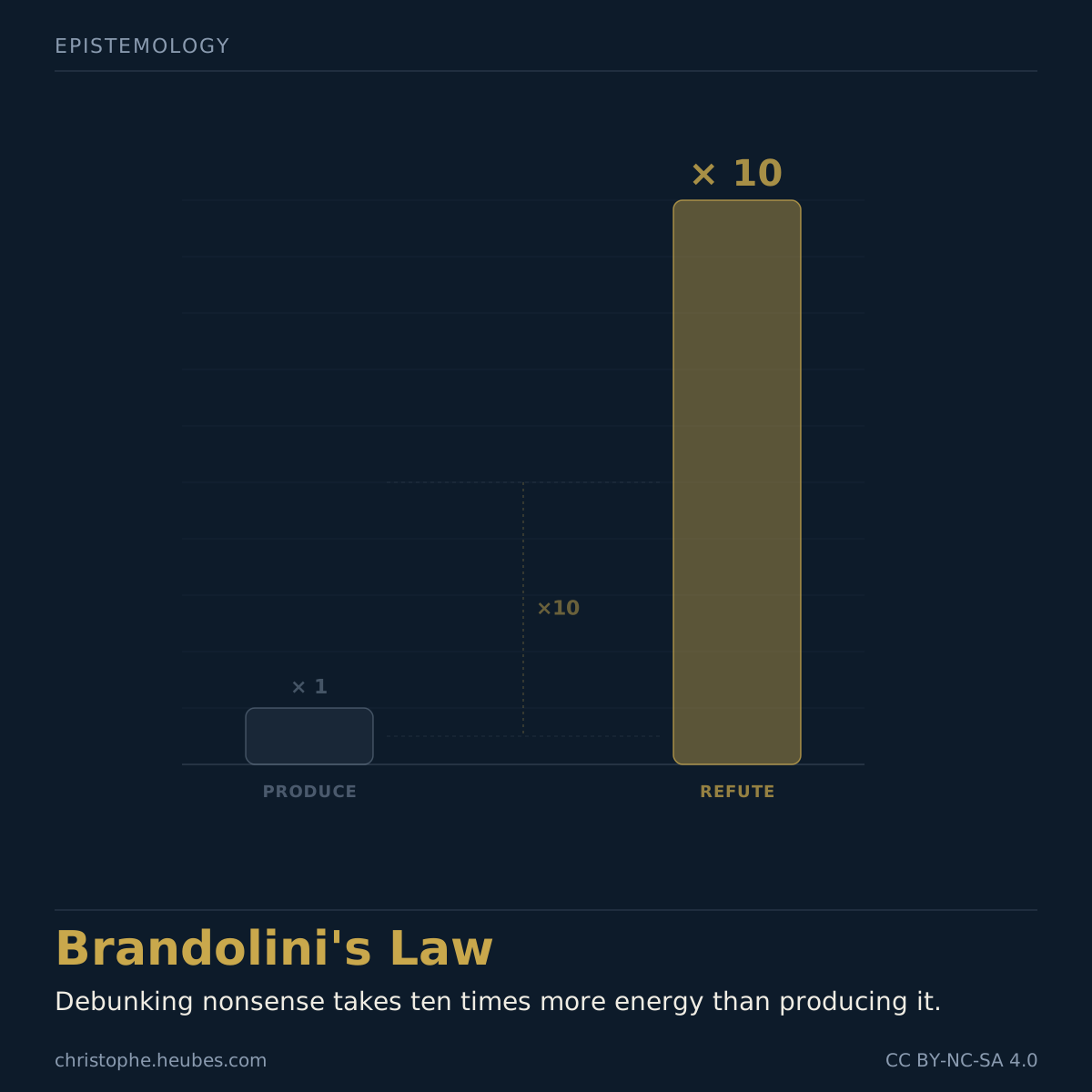
Brandolini's Law
Debunking nonsense takes ten times more energy than producing it.
Epistemology
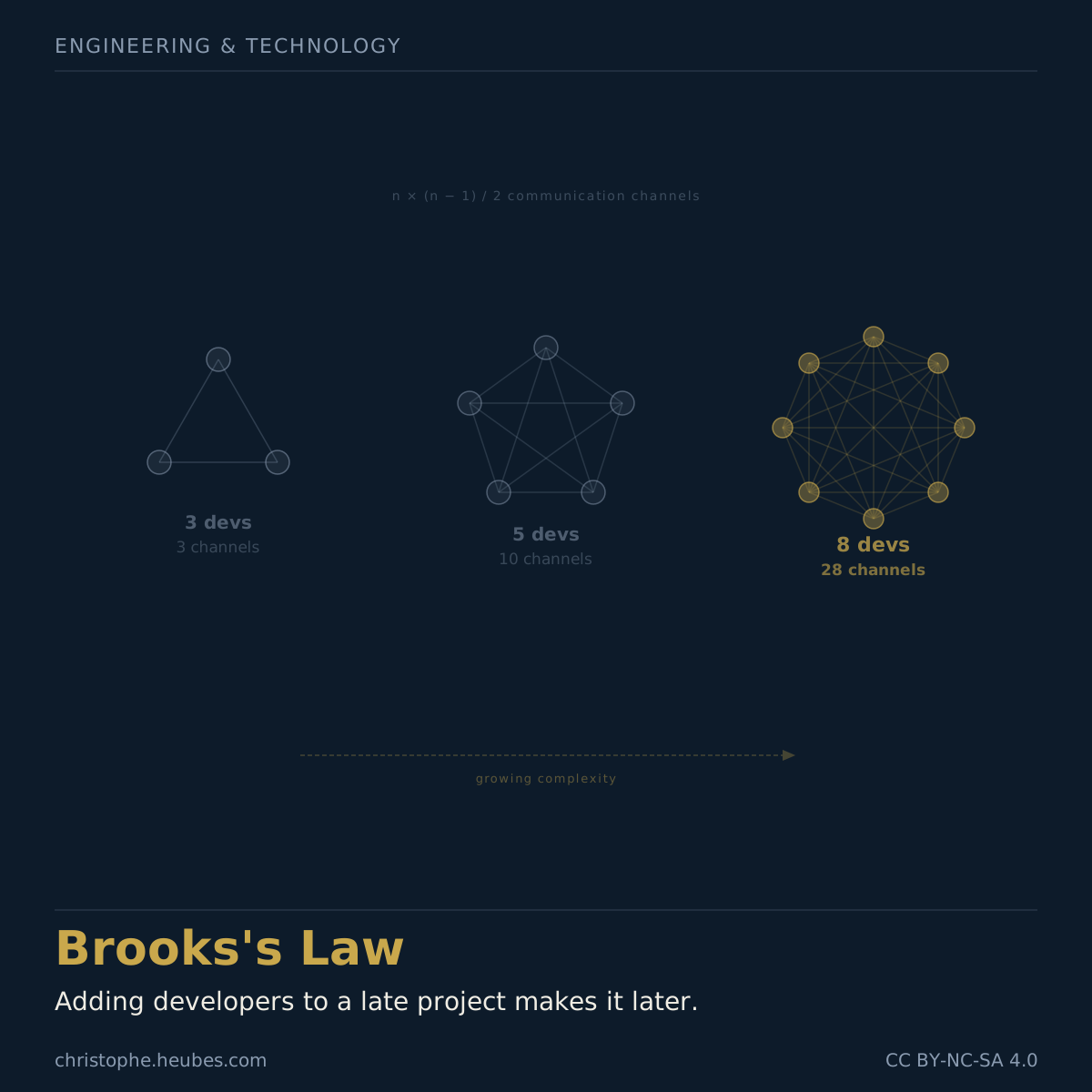
Brooks's Law
Adding developers to a late project makes it later.
Engineering & Technology
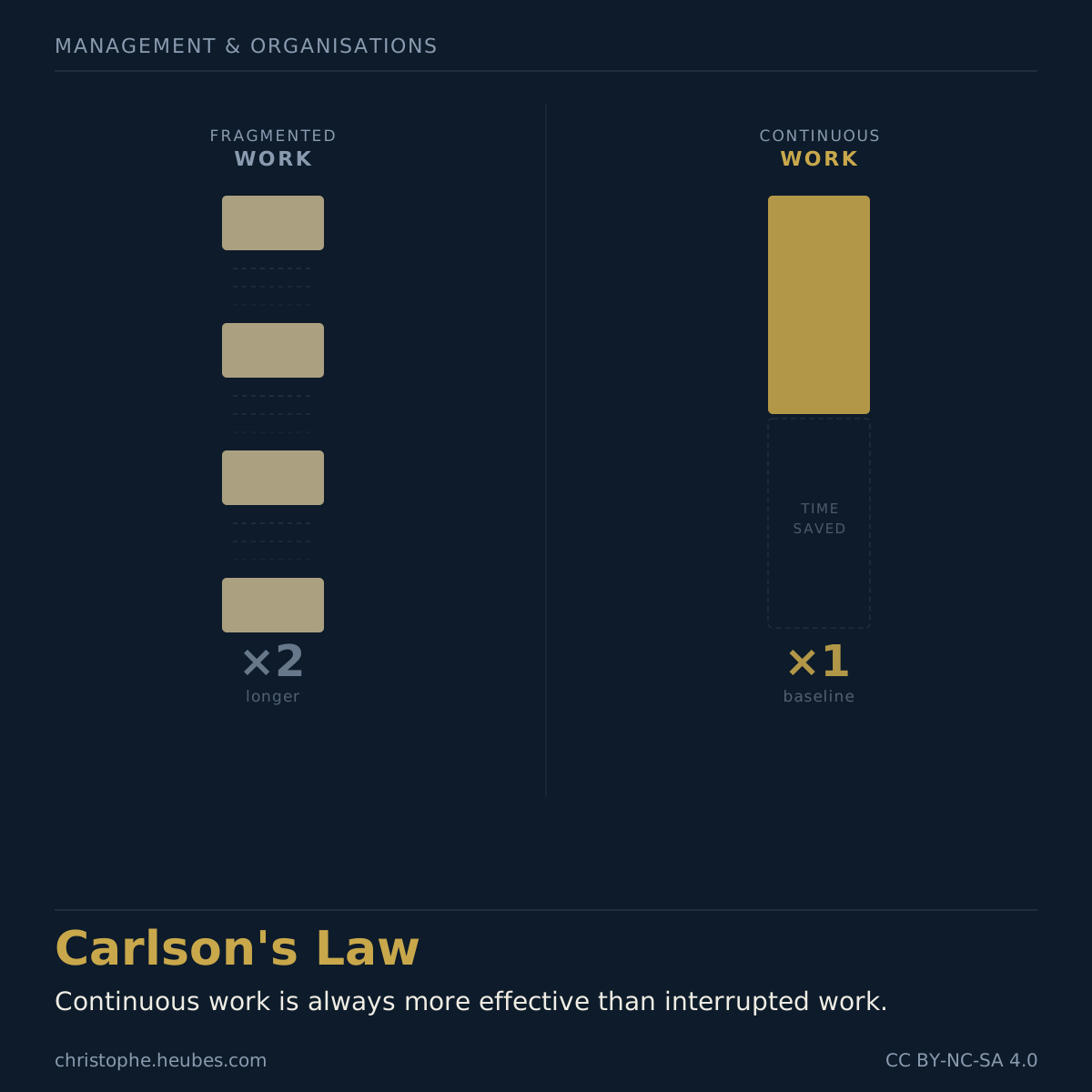
Carlson's Law
Continuous work is always more effective than interrupted work.
Management & Organisations
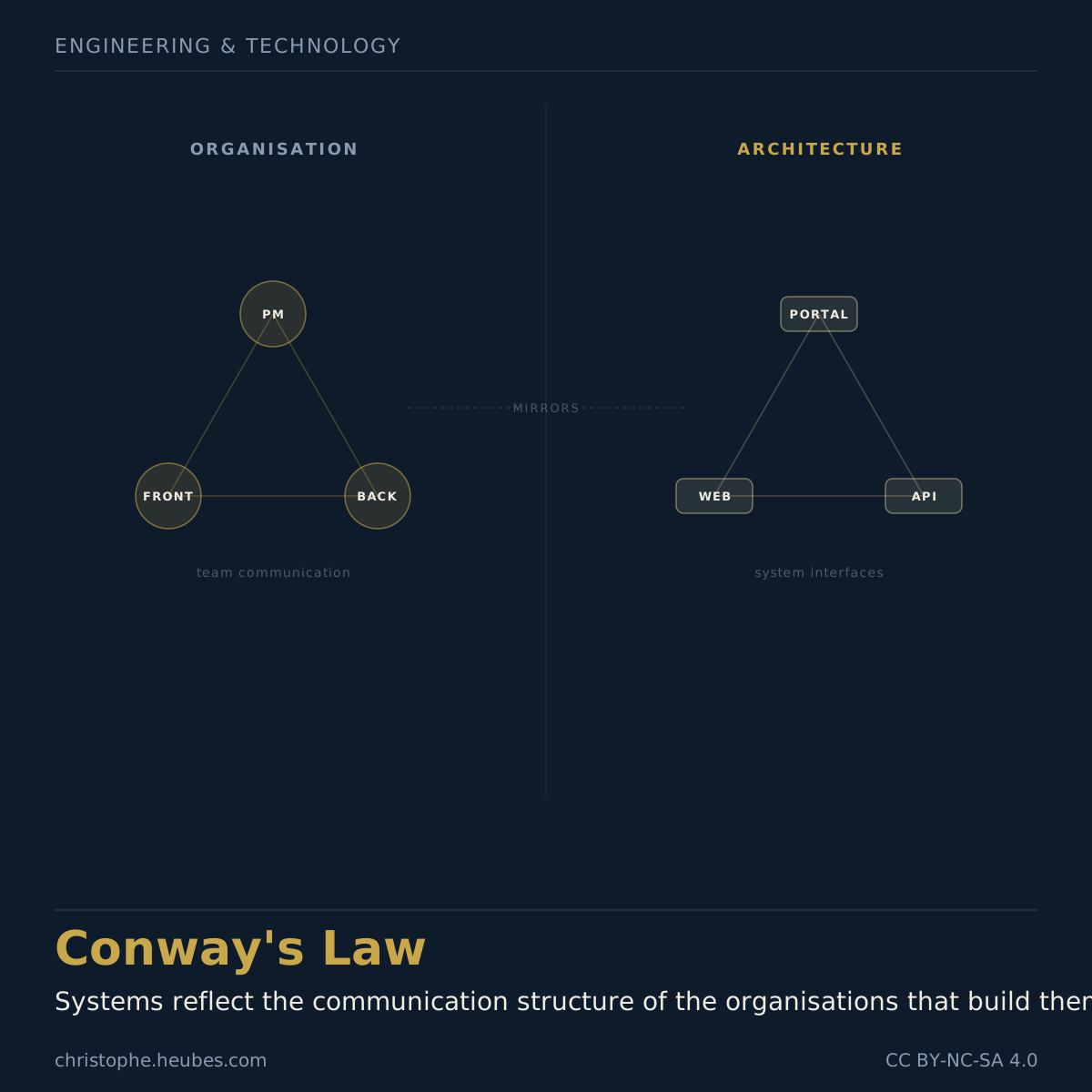
Conway's Law
Systems reflect the communication structure of the organisations that build them.
Engineering & Technology
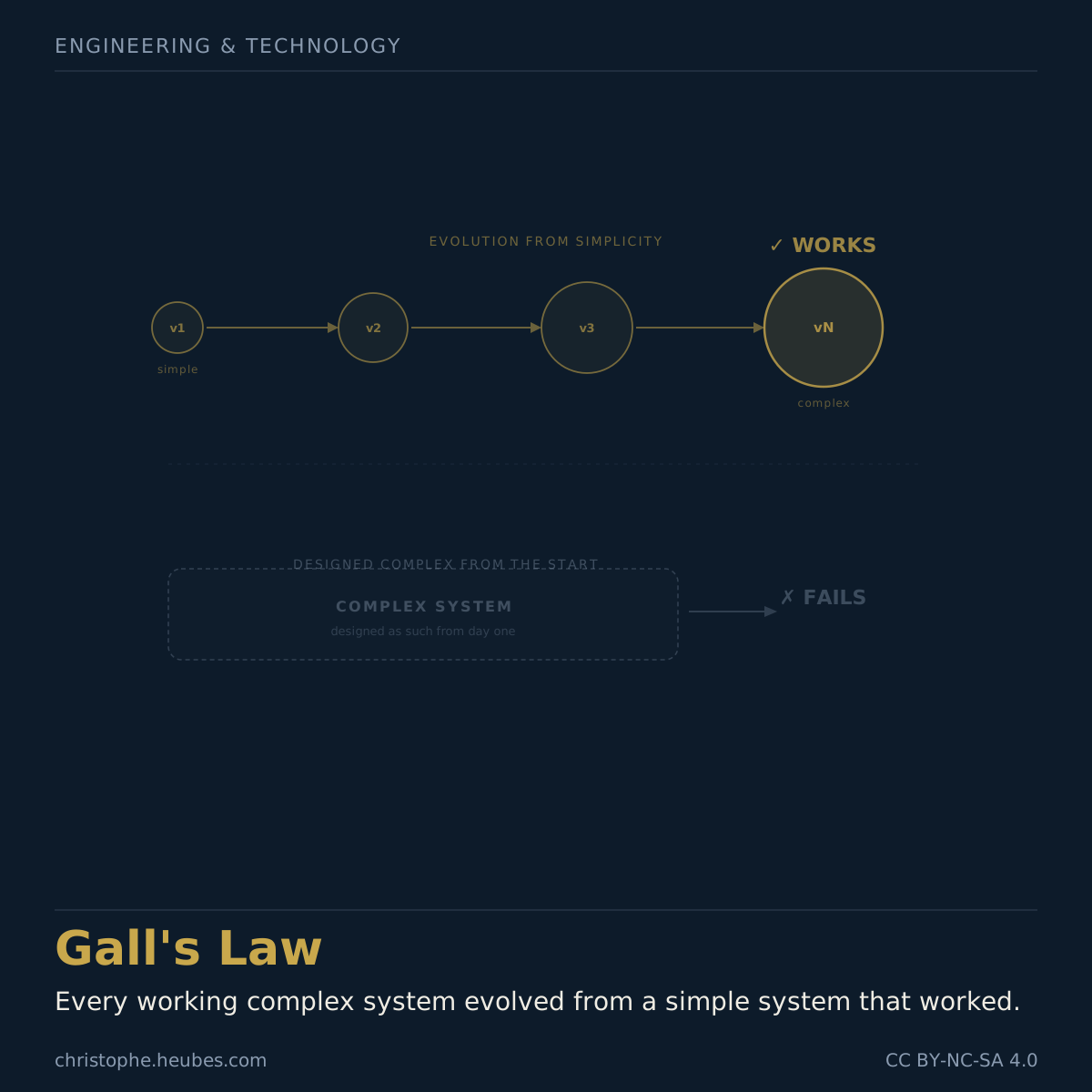
Gall's Law
Every working complex system evolved from a simple system that worked.
Engineering & Technology
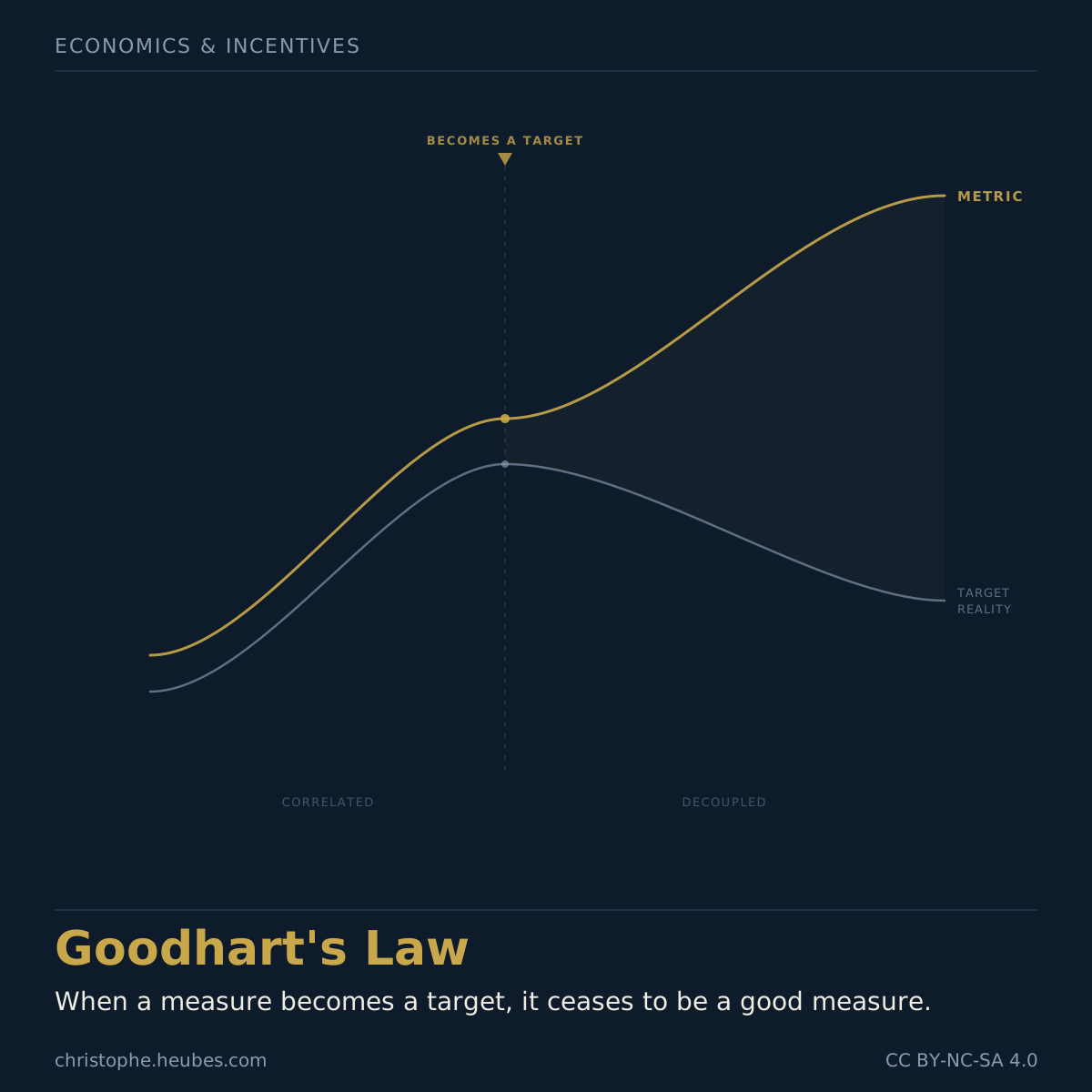
Goodhart's Law
When a measure becomes a target, it ceases to be a good measure.
Economics & Incentives
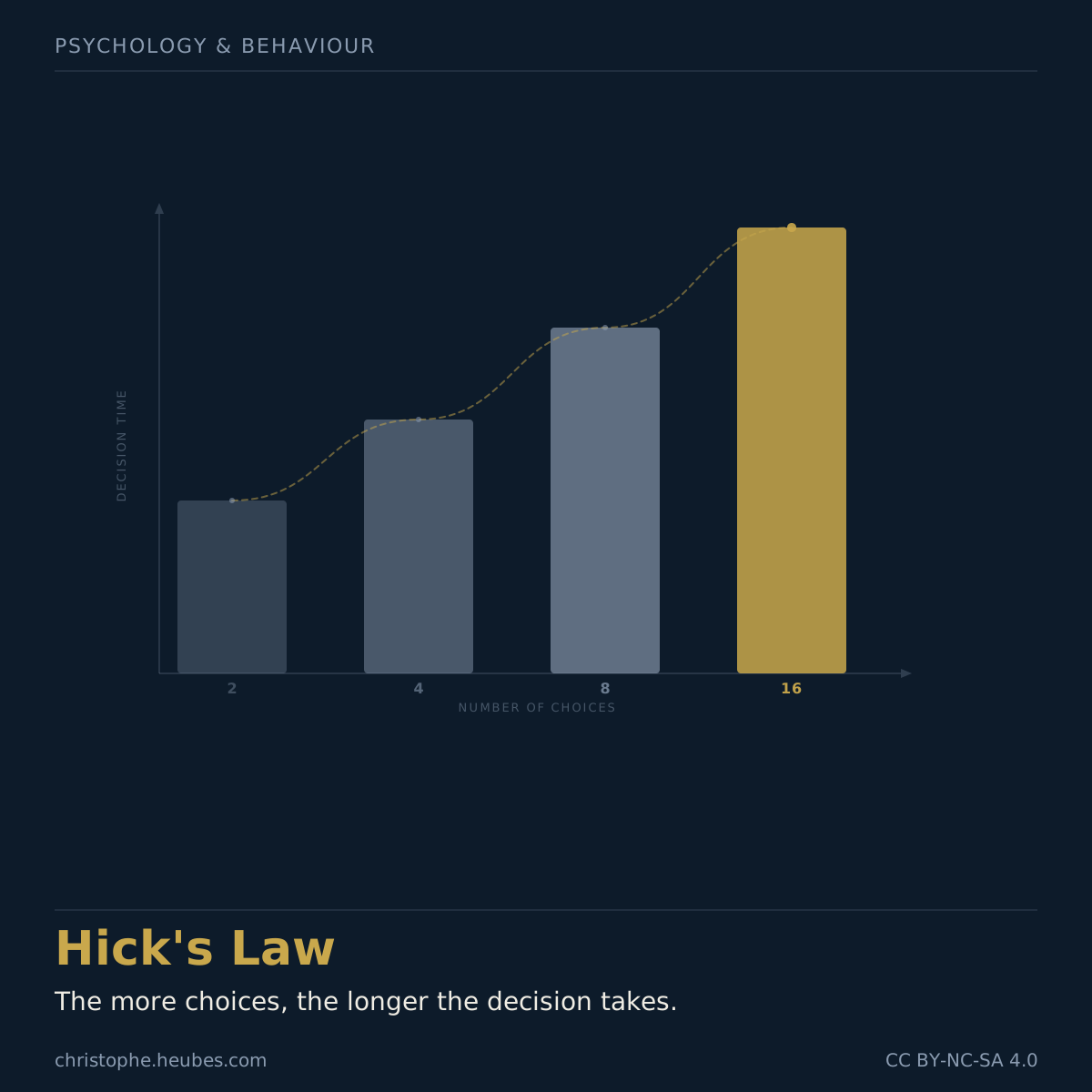
Hick's Law
The more choices, the longer the decision takes.
Psychology & Behaviour
Hofstadter's Law
It always takes longer than you expect, even when you take into account Hofstadter's Law.
Management & Organisations
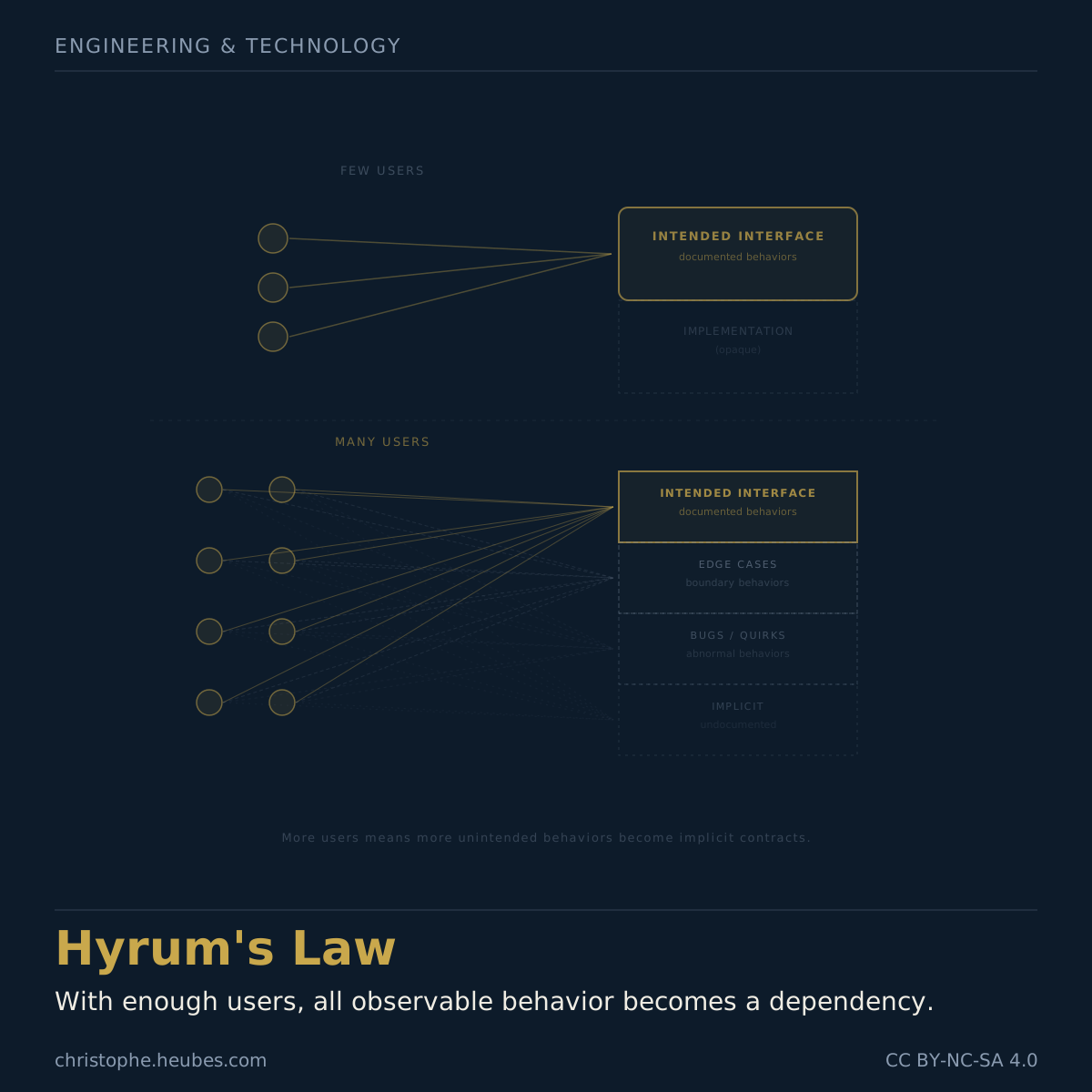
Hyrum's Law
With enough users, all observable behavior becomes a dependency.
Engineering & Technology
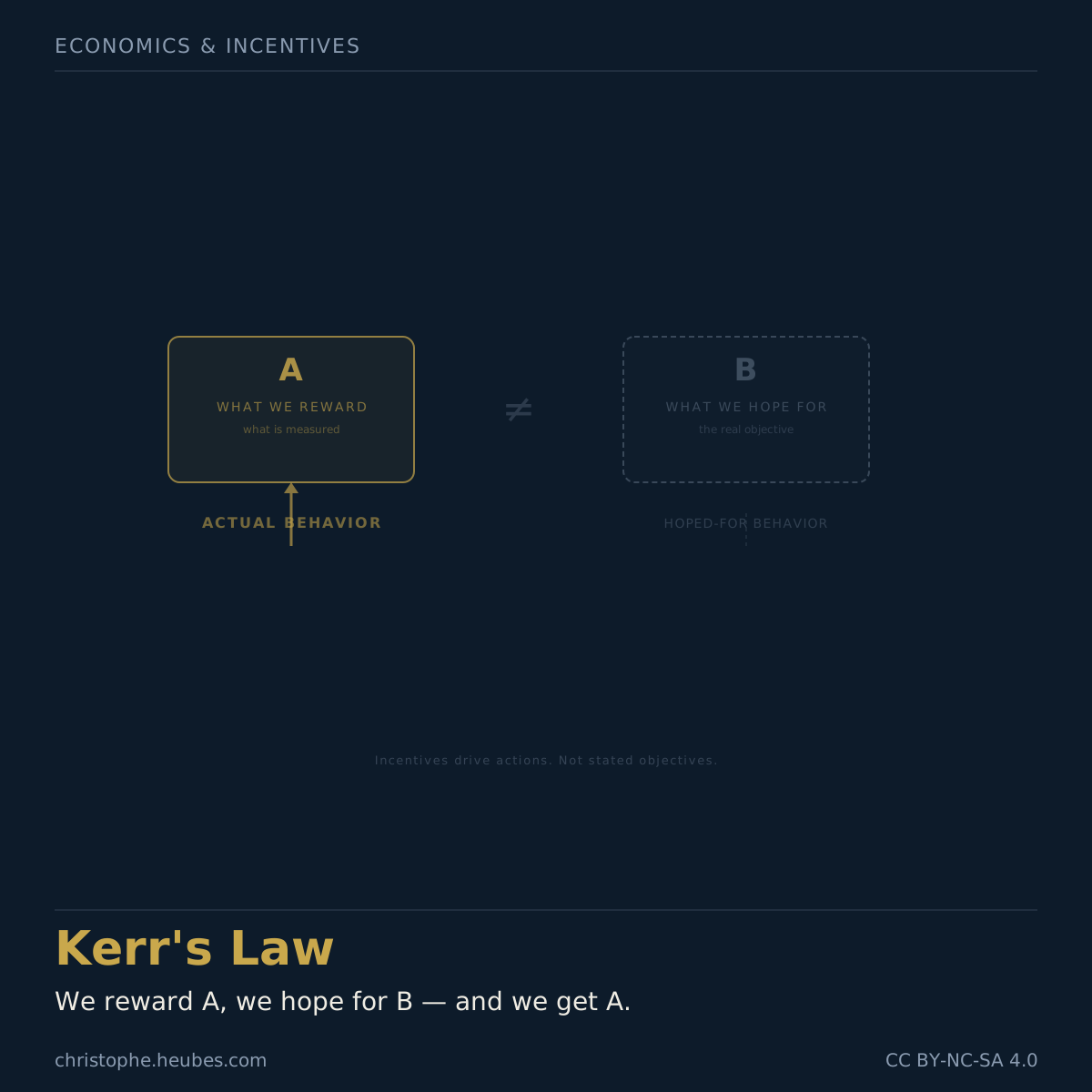
Kerr's Law
We reward A, we hope for B, and we get A.
Economics & Incentives
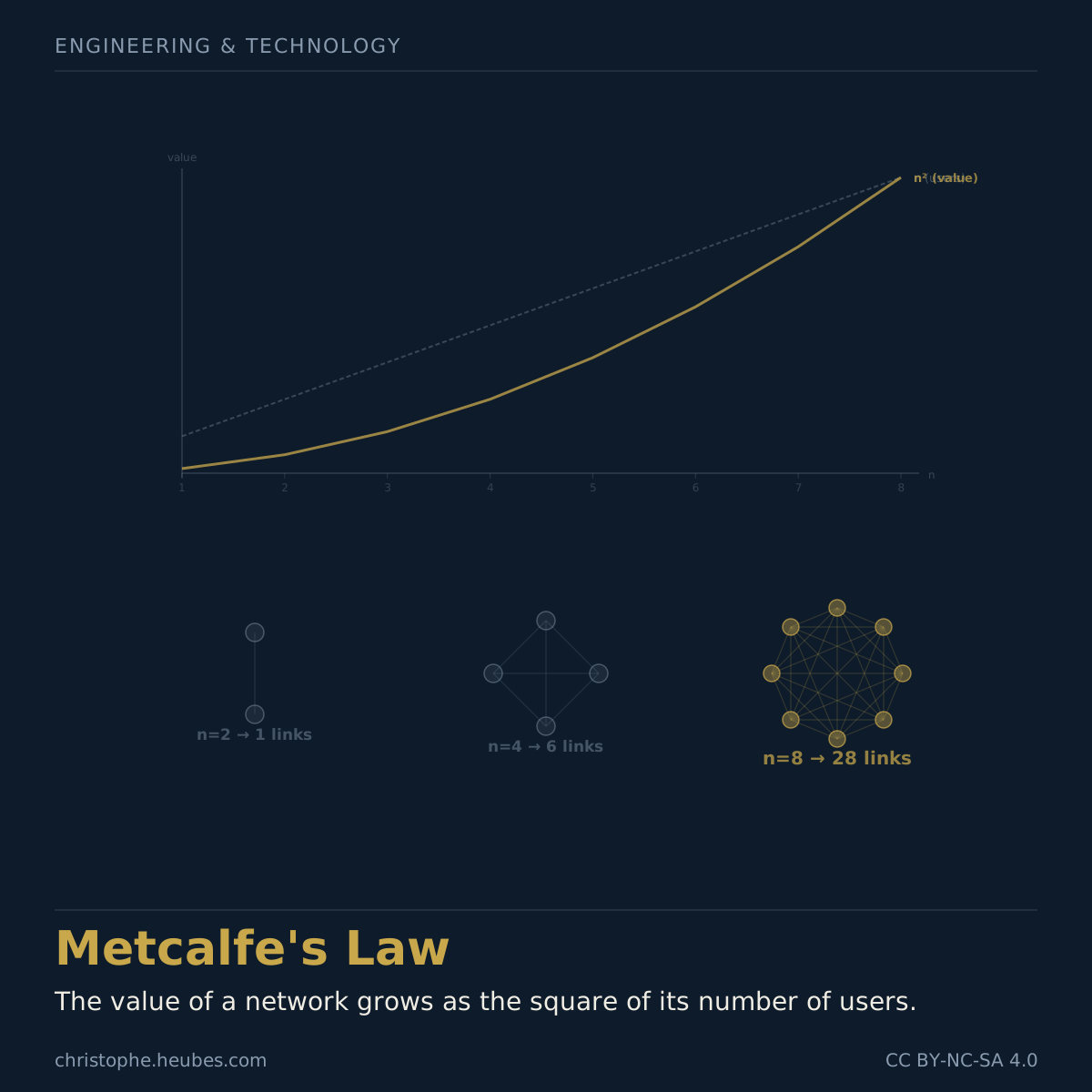
Metcalfe's Law
The value of a network grows as the square of its number of users.
Engineering & Technology
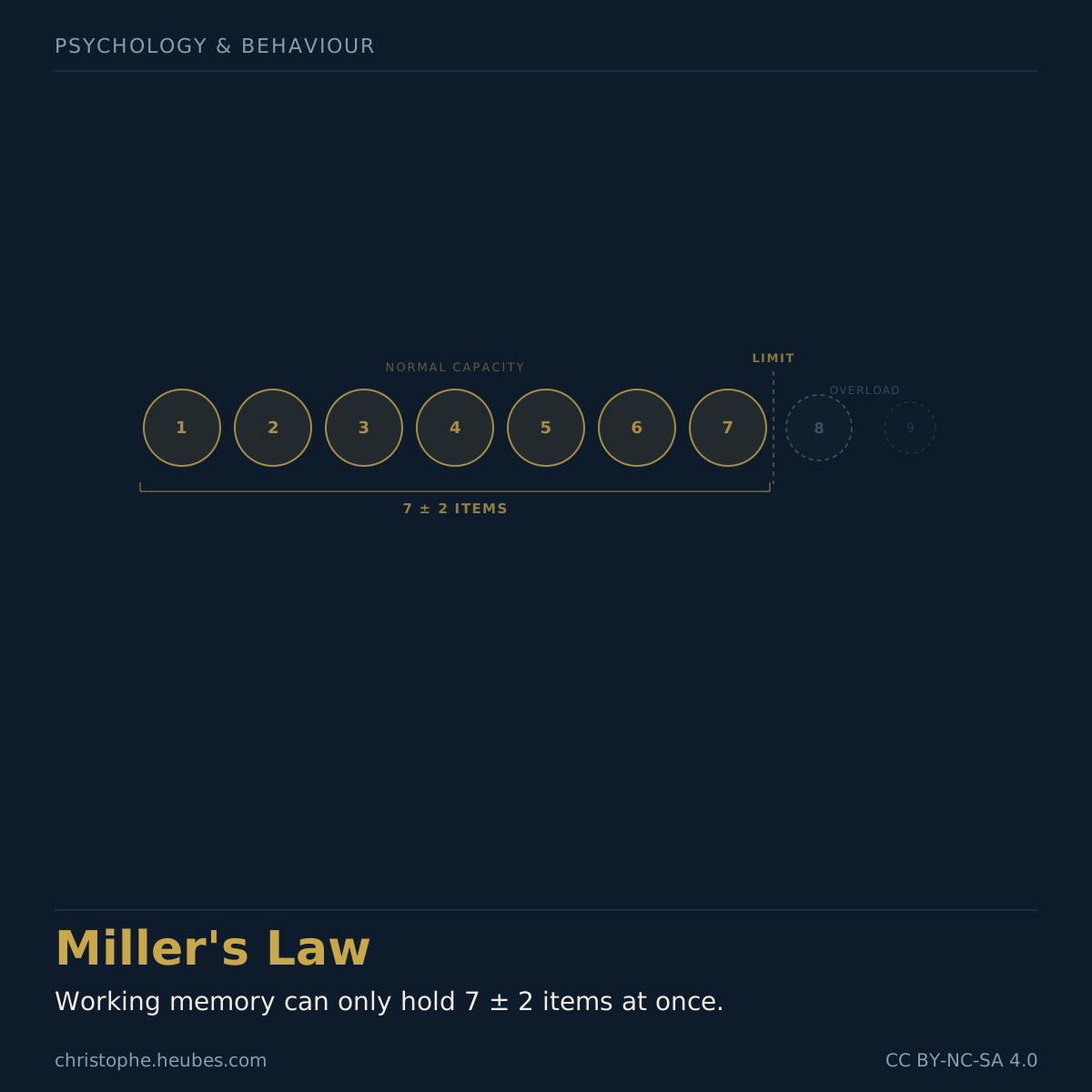
Miller's Law
Working memory can only hold 7 ± 2 items at once.
Psychology & Behaviour
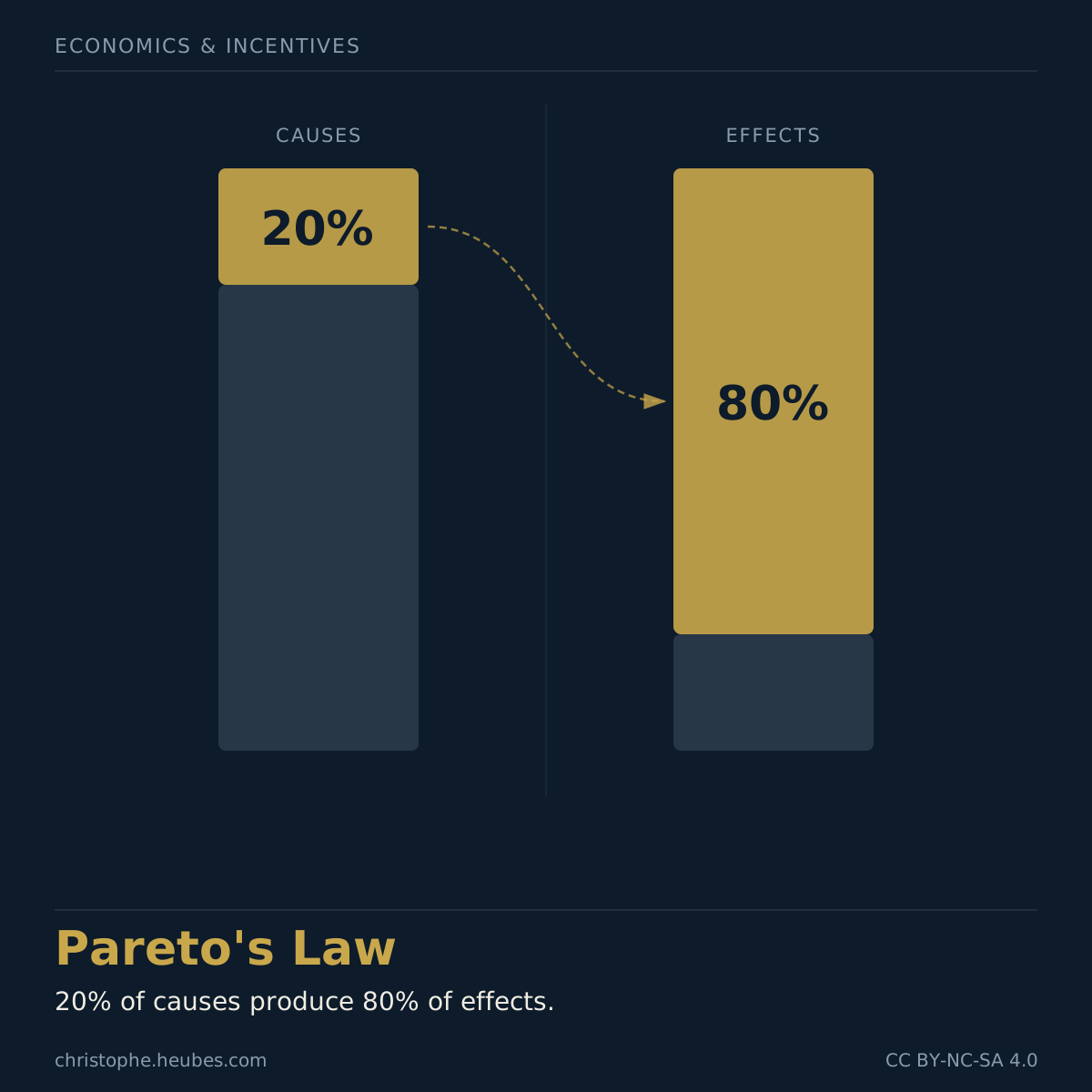
Pareto's Law
20% of causes produce 80% of effects.
Economics & Incentives
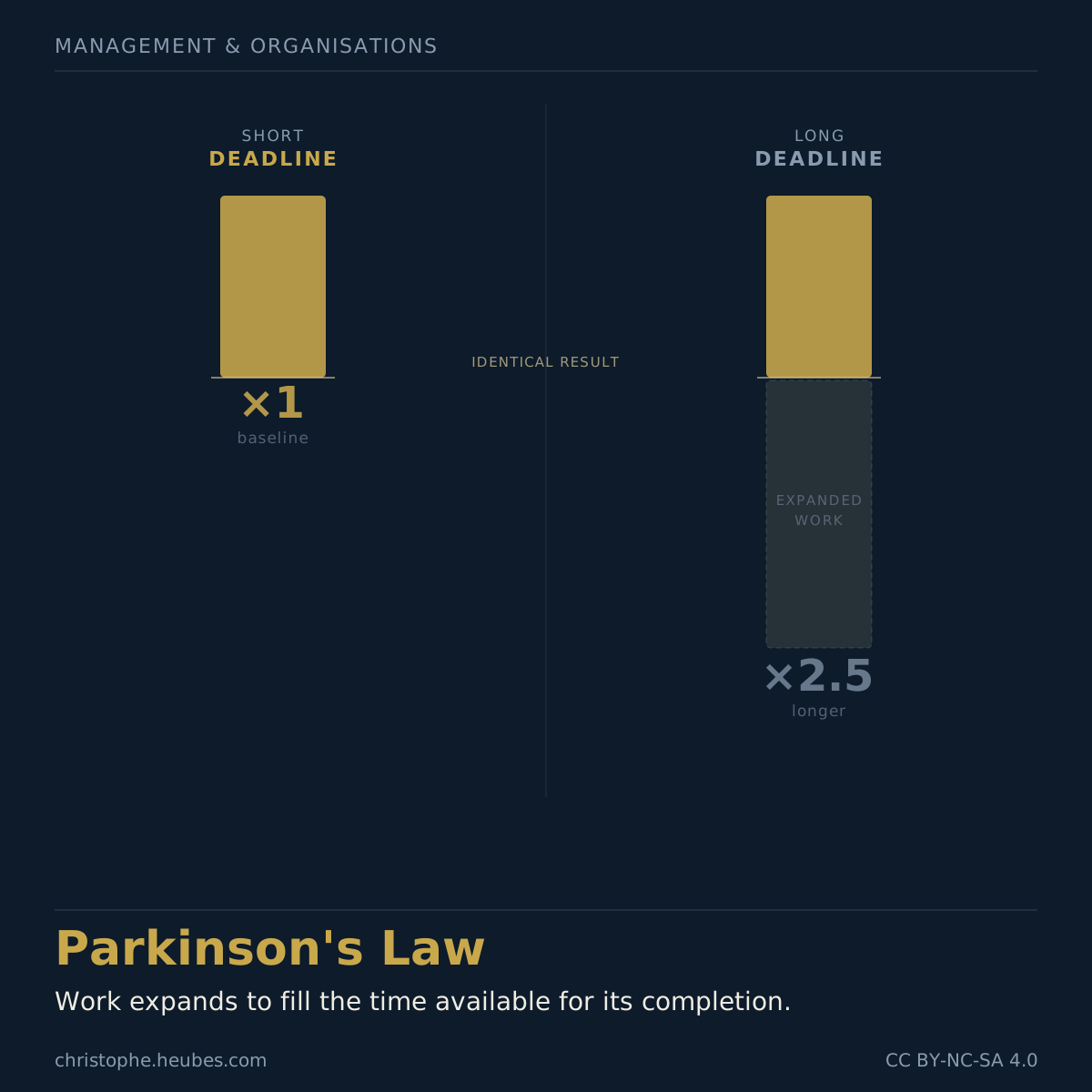
Parkinson's Law
Work expands to fill the time available for its completion.
Management & Organisations
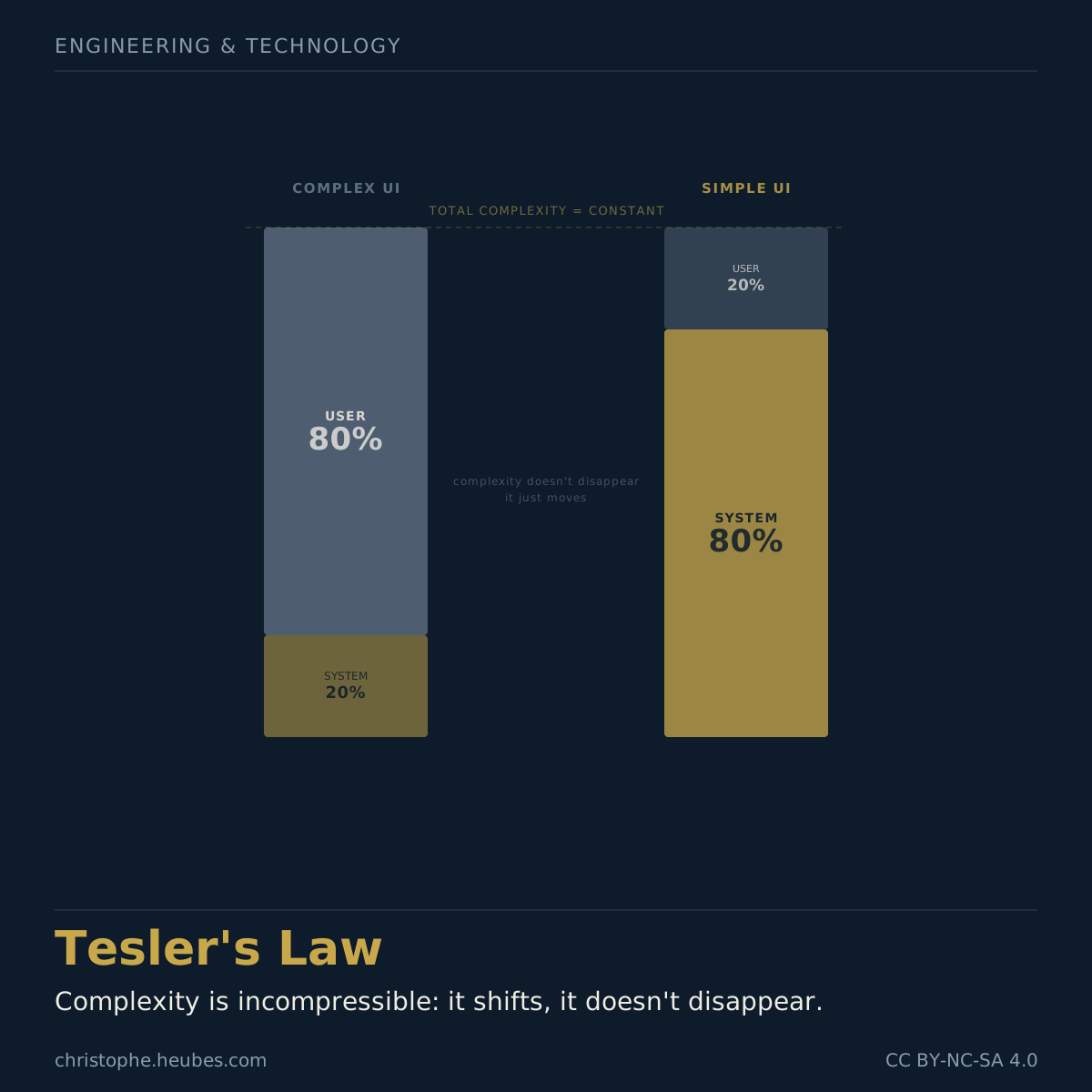
Tesler's Law
Complexity is incompressible: it shifts, it doesn't disappear.
Engineering & Technology
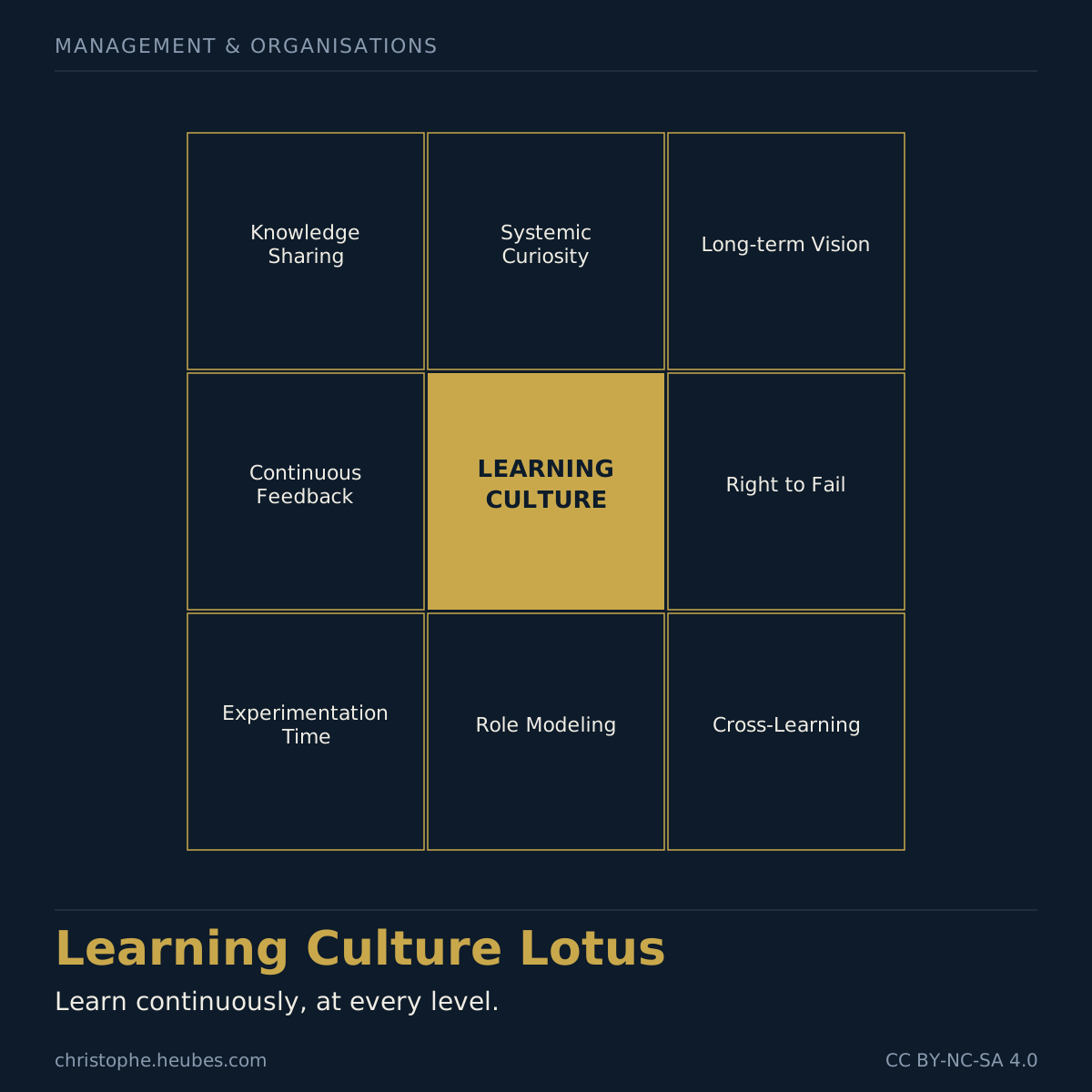
Learning Culture Lotus
Learn continuously, at every level.
Management & Organisations
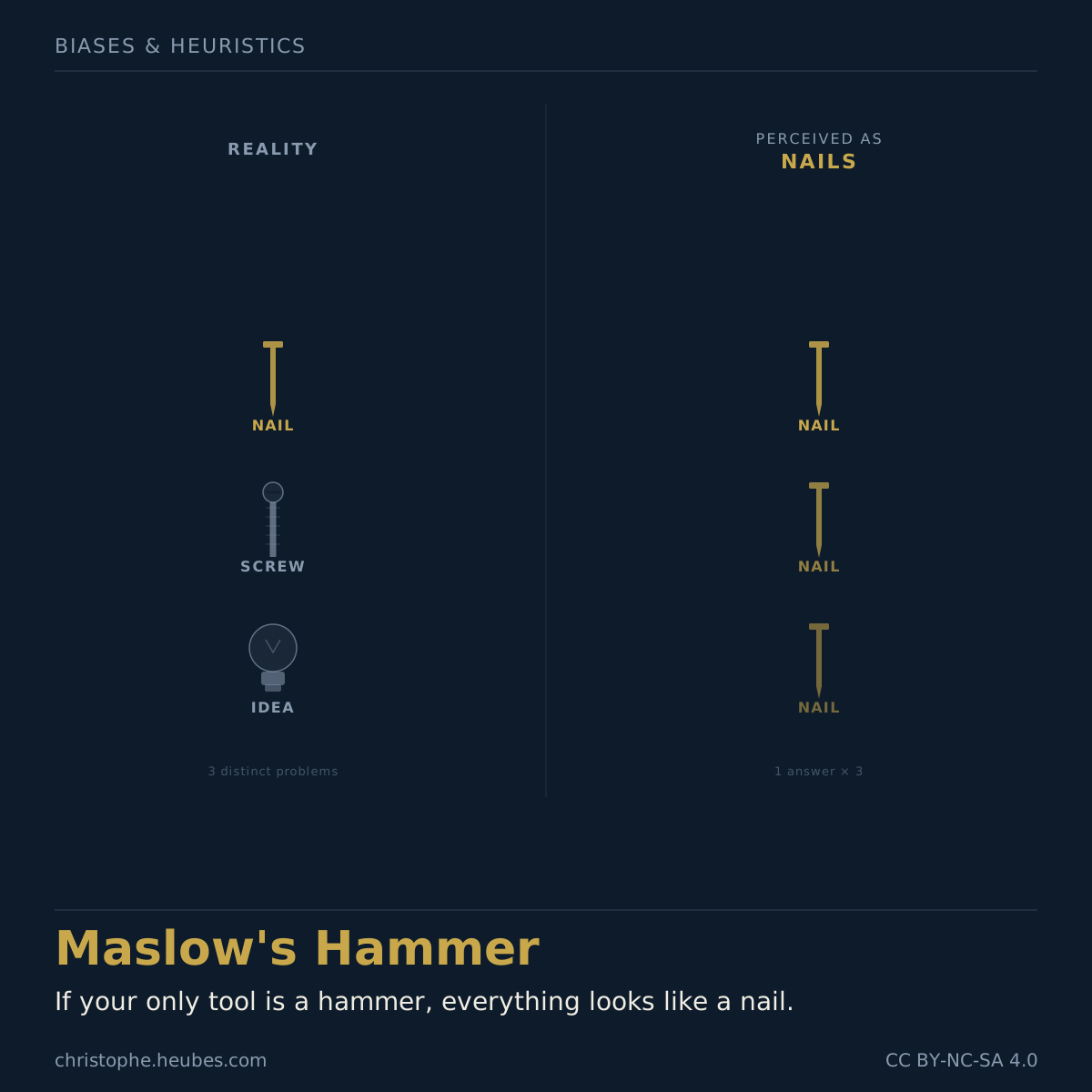
Maslow's Hammer
If your only tool is a hammer, everything looks like a nail.
Biases & Heuristics
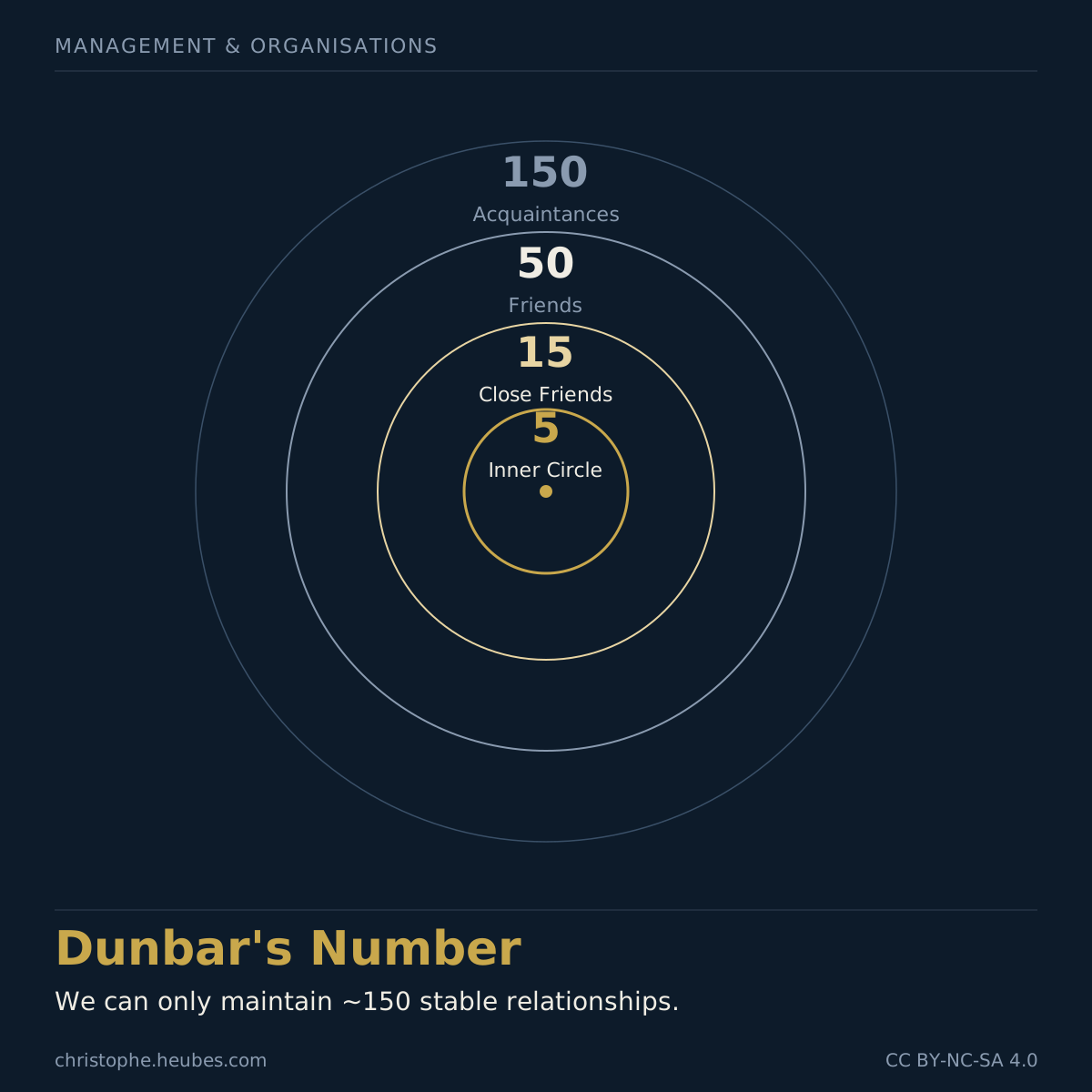
Dunbar's Number
We can only maintain ~150 stable relationships.
Management & Organisations
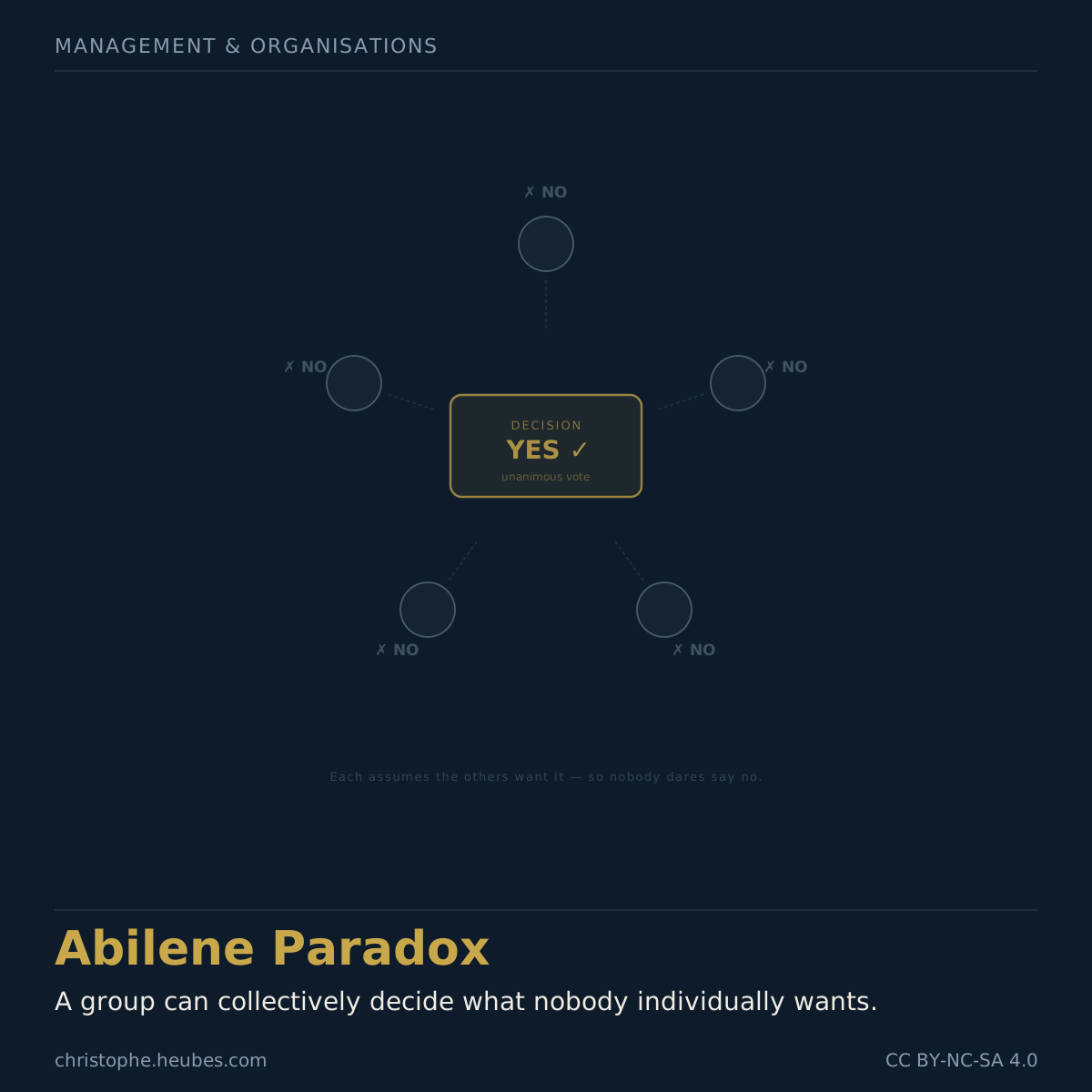
Abilene Paradox
A group can collectively decide what nobody individually wants.
Management & Organisations
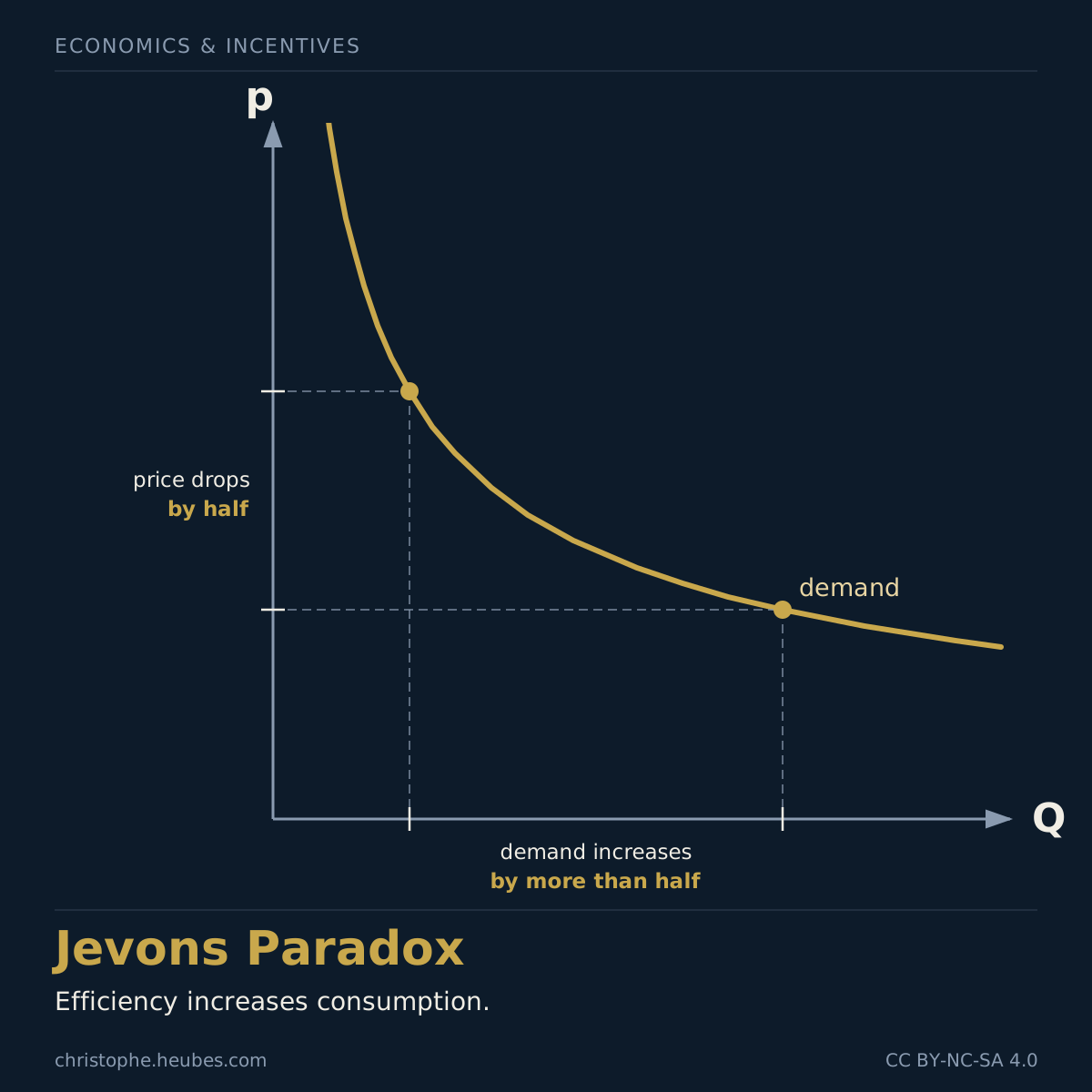
Jevons Paradox
Efficiency increases consumption.
Economics & Incentives
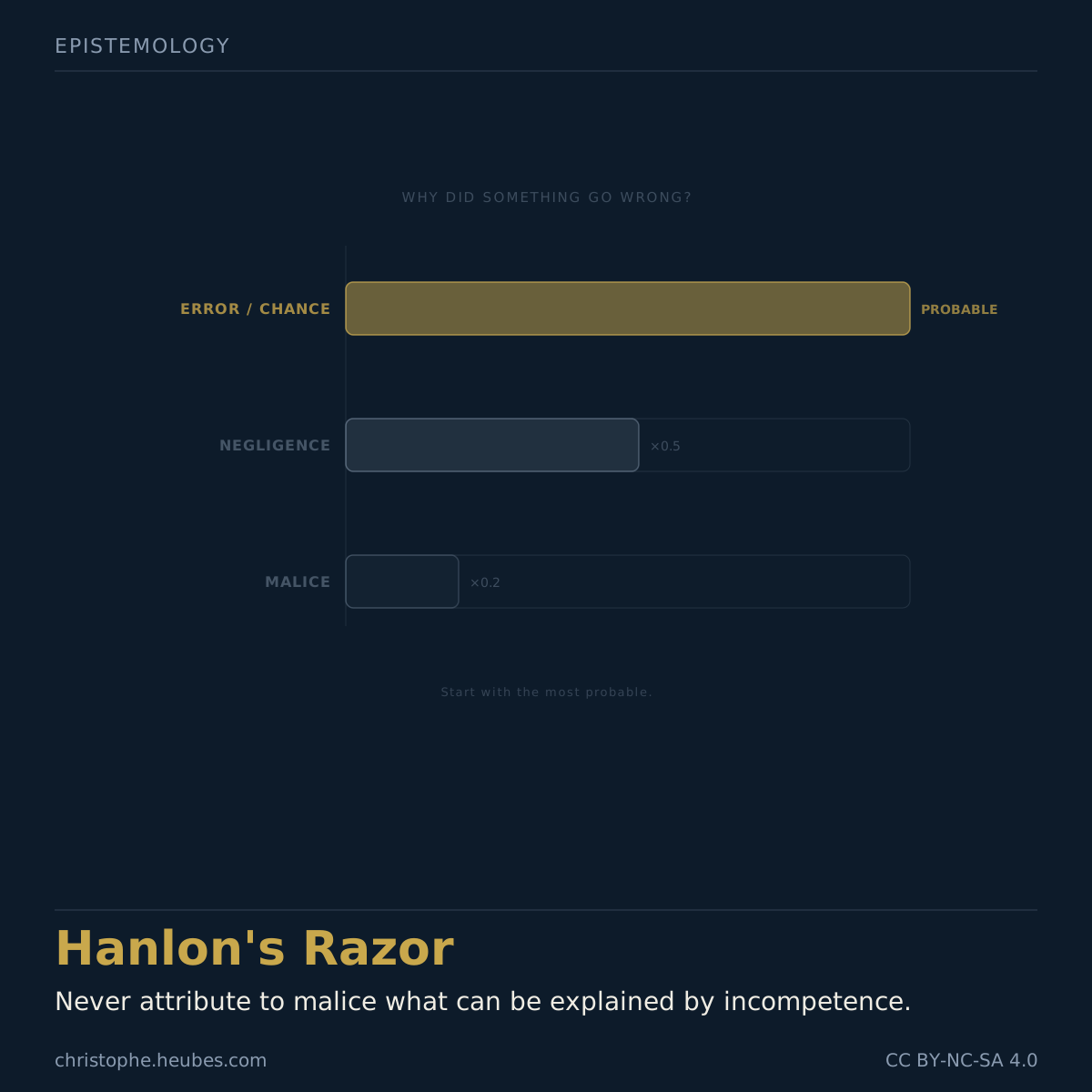
Hanlon's Razor
Never attribute to malice what can be explained by incompetence.
Epistemology
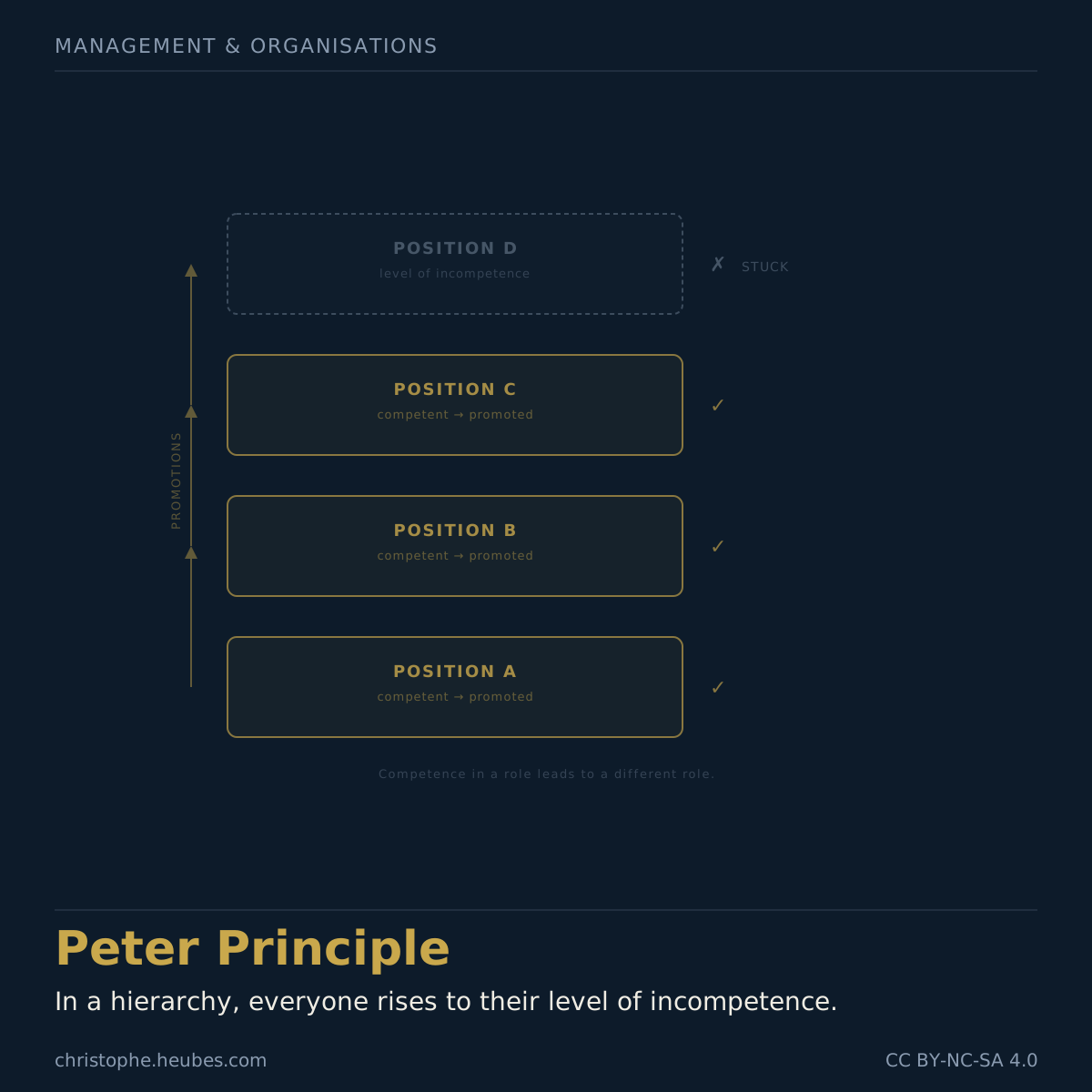
Peter Principle
In a hierarchy, everyone rises to their level of incompetence.
Management & Organisations
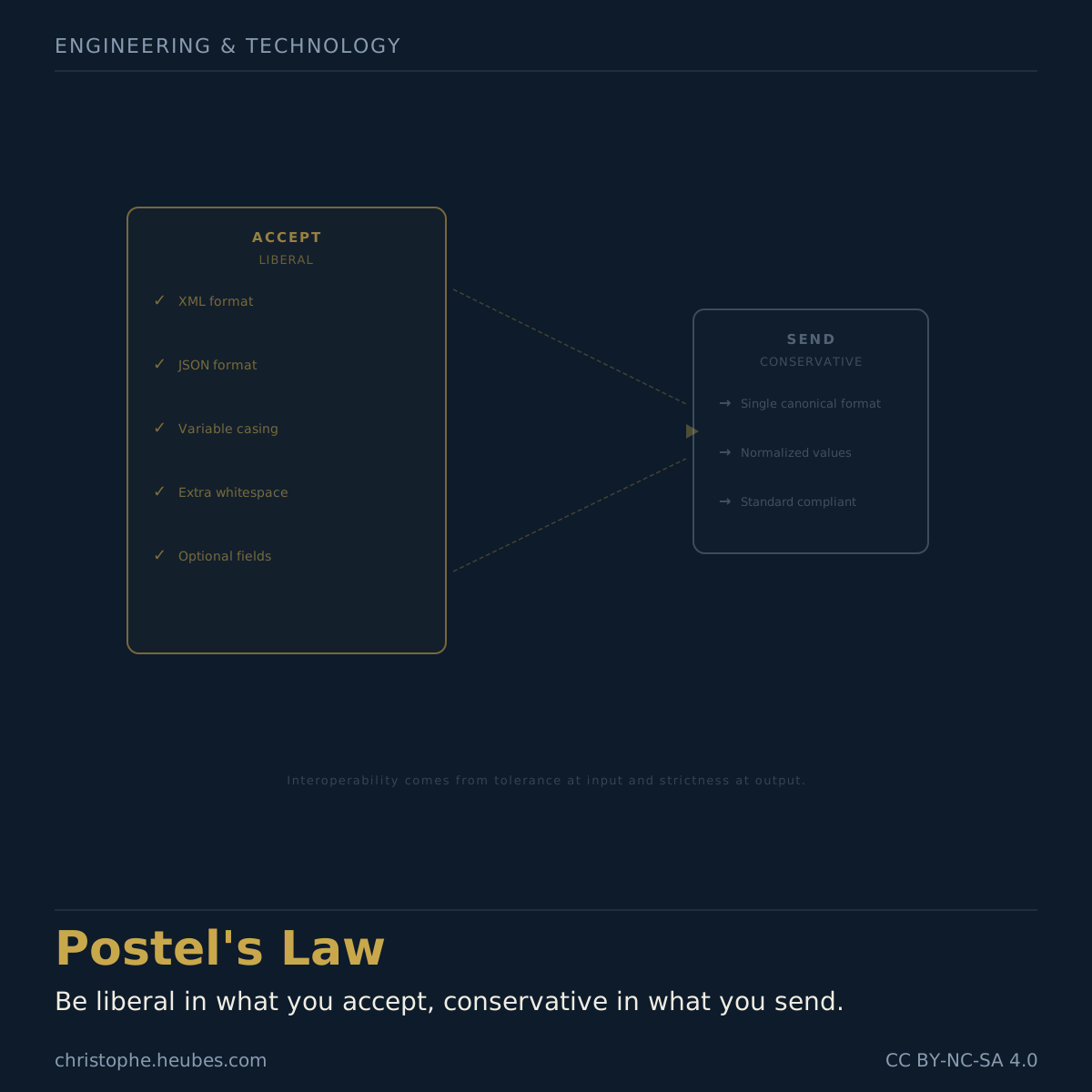
Postel's Law
Be liberal in what you accept, conservative in what you send.
Engineering & Technology
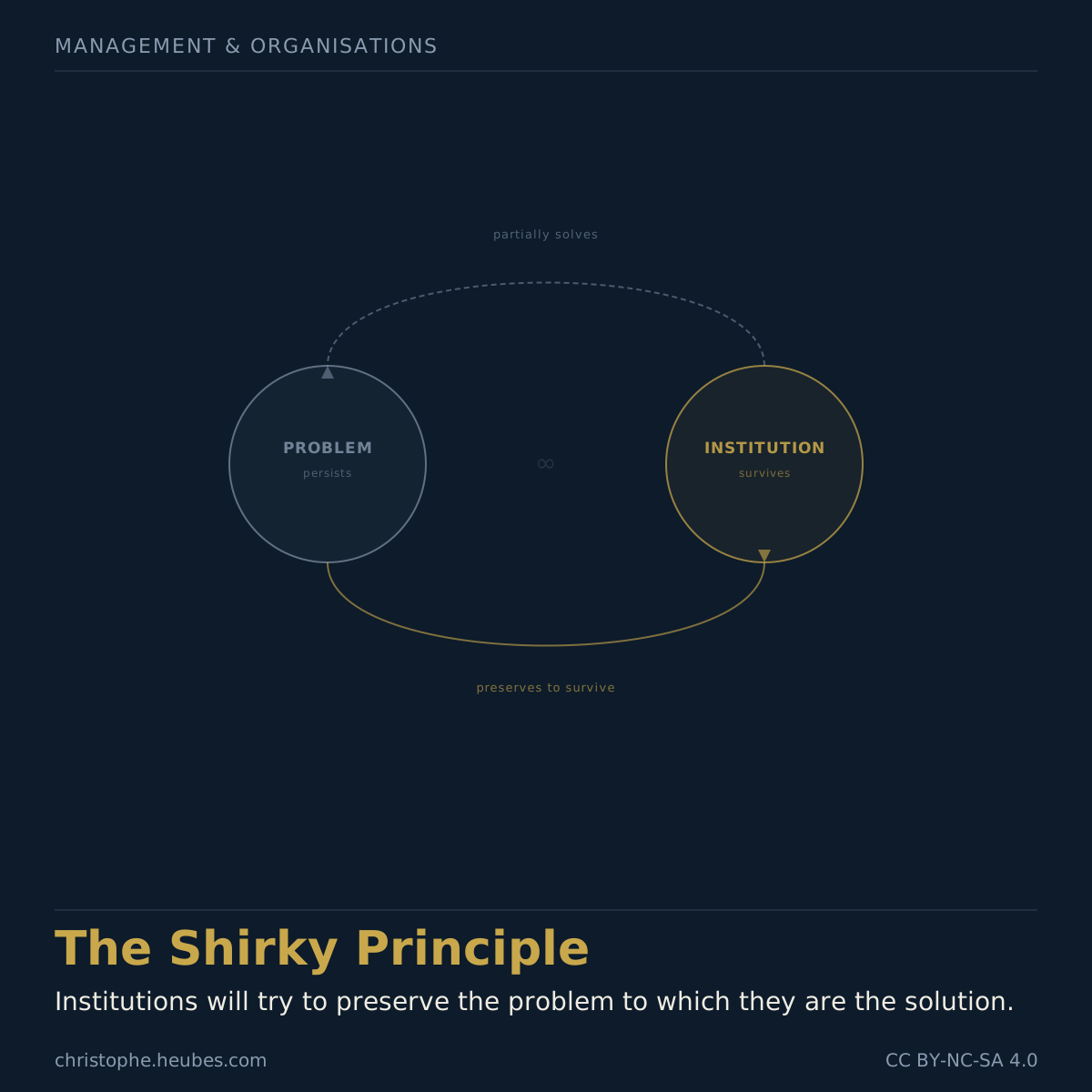
The Shirky Principle
Institutions will try to preserve the problem to which they are the solution.
Management & Organisations
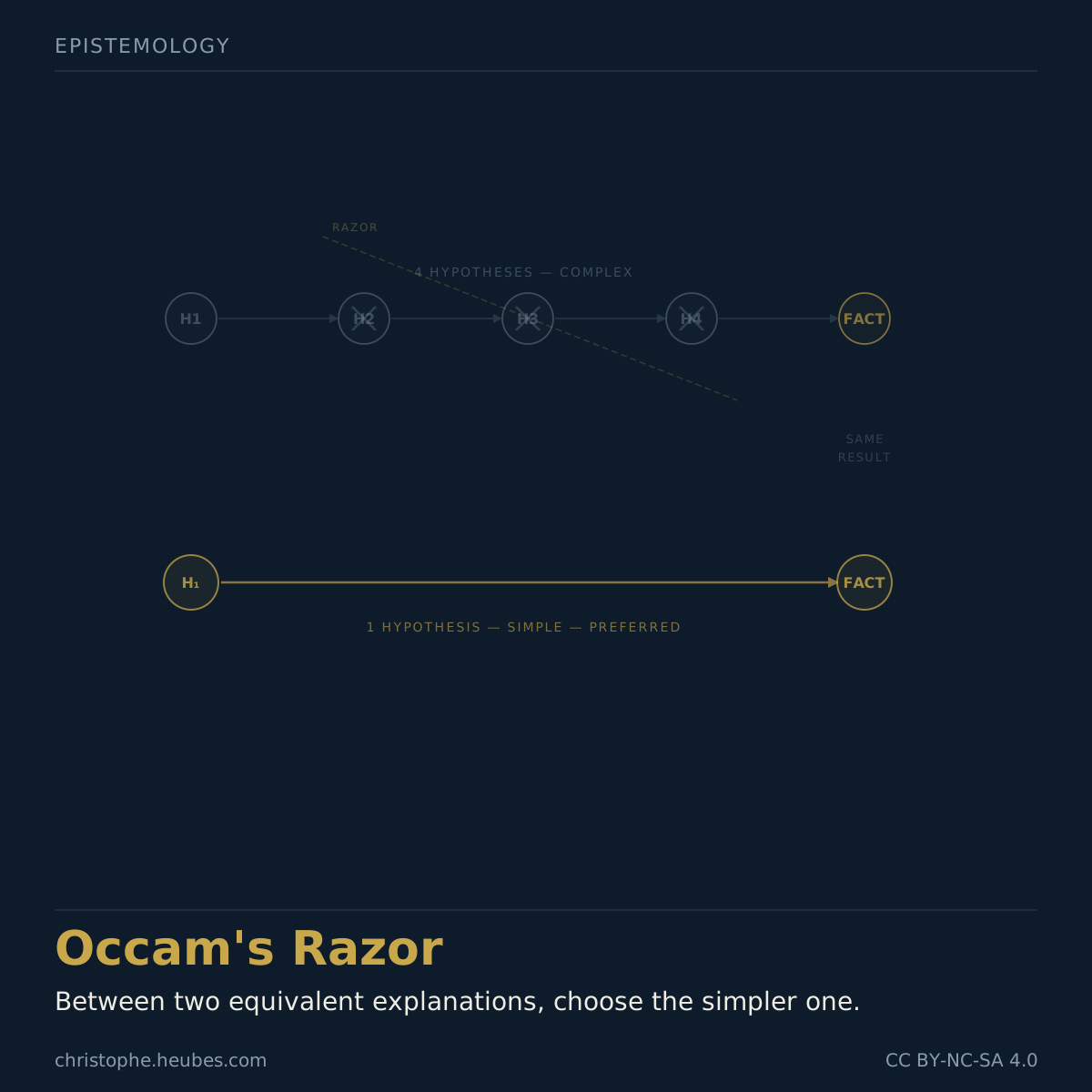
Occam's Razor
Between two equivalent explanations, choose the simpler one.
Epistemology